
 US
 Australia
 United Kingdom
 Europe
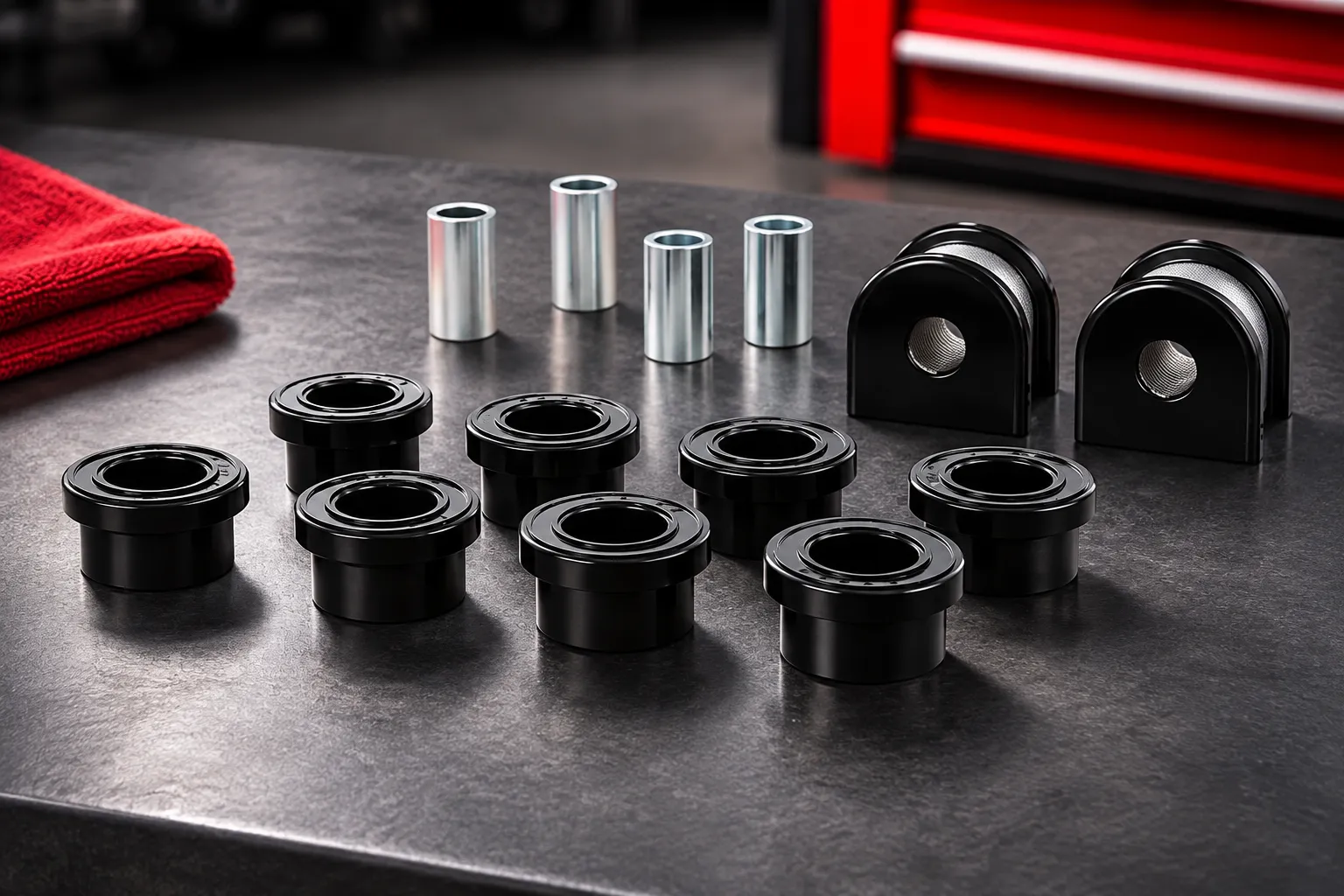

The most common bad sway bar symptoms are a clunk or knock over uneven roads, extra lean and vehicle sway in corners, a loose or wandering feel in the steering, and squeaks from the front or rear suspension. Most of these come from worn sway bar bushings or end links, while a broken sway bar causes sudden, heavy lean.
Your sway bar, or stabilizer bar, system works quietly in the background until something wears out. Then the vehicle starts to feel different in ways that are easy to dismiss at first, like a faint knock over a driveway or a little more lean on a freeway ramp. Recognizing bad sway bar symptoms early saves you from bigger handling problems and helps you buy the right part the first time. We make polyurethane bushings, end links and complete sway bars and sway bar kits, so here is how to read the signs.
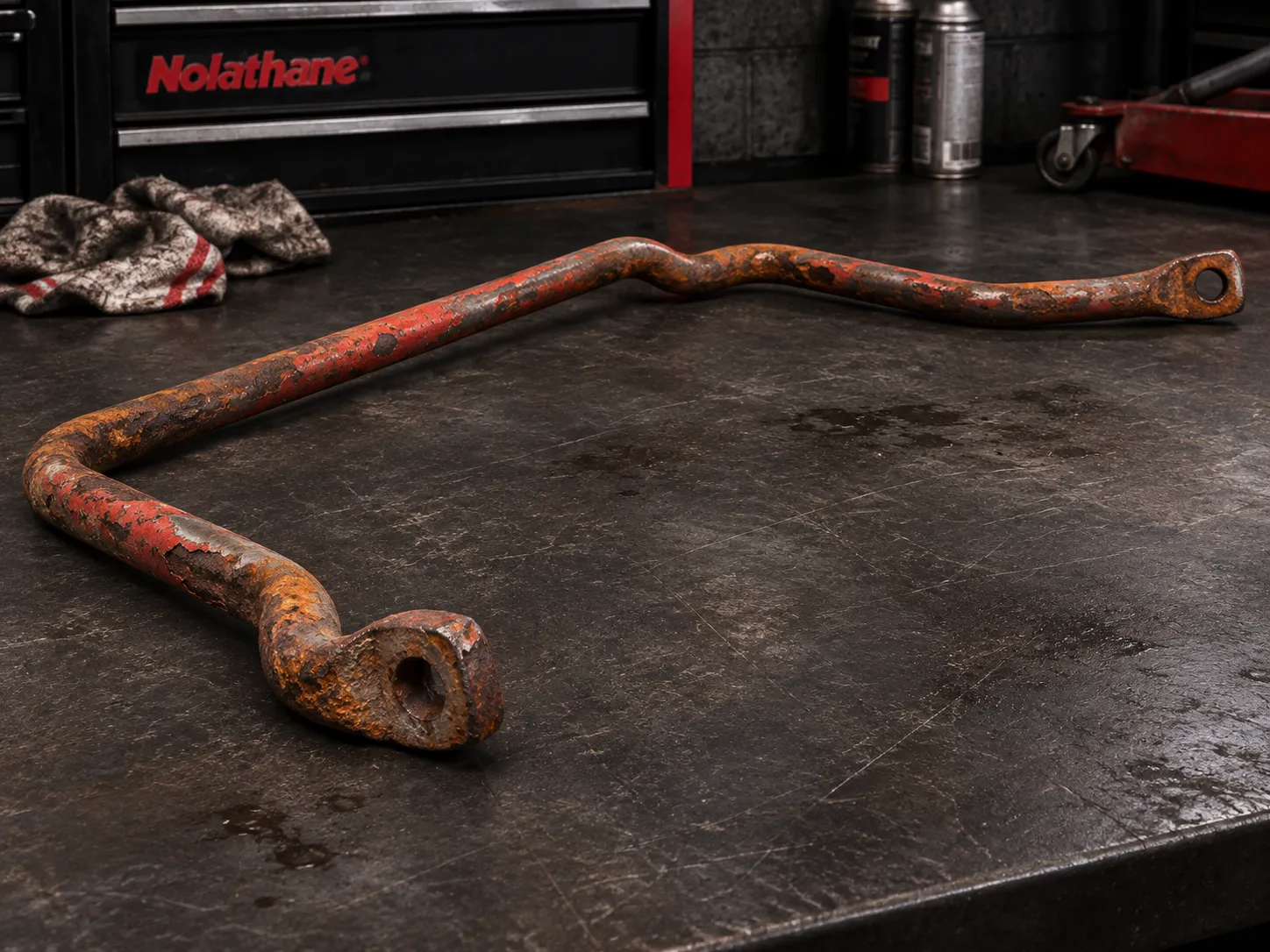
What Does a Bad Sway Bar Sound Like?
Sway bar noise usually shows up as a clunk, knock or rattle over uneven surfaces. It is most noticeable at low speed on broken pavement, over speed bumps taken at an angle and when one wheel drops into a pothole. Those moments twist the bar, and any slack in the bushings or links turns into a knock.
Squeaks and creaks are the other common sound. Rubber sway bar bushings dry out and harden with age, so the bar rubs as it rotates in the bushing and chirps over every bump. The noise often gets worse in cold weather, when rubber is at its stiffest.
Sway Bar Symptoms You Can Feel While Driving
Some sway bar symptoms are easier to feel than to hear:
- More lean in corners: The vehicle tips further than it used to on ramps and roundabouts.
- Vehicle sway on the freeway: Crosswinds, passing trucks and lane changes cause more rocking.
- Loose or vague steering: The vehicle feels slow to settle after you turn the wheel.
- Wandering under load: Trucks carrying weight or towing feel less stable on curves.
- Rocking after a lane change: The body takes longer to settle back to level.
When the sway bar cannot do its job, the tires lose some of their contact with the road in corners. That reduces cornering traction and makes emergency maneuvers less predictable.
Broken Sway Bar Symptoms vs Worn Parts
A broken sway bar is rare on road vehicles, but it does happen, particularly on trucks that see hard off-road use. The symptoms of a broken bar arrive suddenly rather than gradually. Lean in corners increases dramatically, you may hear a loud rattle as the broken pieces move, and handling feels noticeably unstable compared with the day before.
Worn bushings and end links cause similar symptoms but they creep in slowly over months. If your vehicle leaned a little more each season and now knocks over bumps, the bar is probably fine and the bushings or links are the problem.
|
Symptom |
Most likely cause |
What to check |
|
Clunk over uneven roads |
Worn end links or loose mount bushings |
Play at link joints, gaps around the bar in its bushings |
|
Squeak over bumps |
Hardened rubber bushings |
Cracked, shiny or dry bushing surfaces |
|
Gradual increase in lean |
Worn bushings letting the bar move |
Bar movement in its clamps |
|
Sudden heavy lean and rattle |
Broken bar or detached end link |
Visible break or a link hanging loose |
|
Loose steering feel |
Worn bushings and links combined |
Inspect the whole sway bar system |
How to Check Your Sway Bar at Home
With the vehicle safely parked, look under the front and rear for the bar, its two mount bushings and the end links at each side. Check the bushings for cracks, splits or an oval shape where the bar has worn the rubber out of round. Grab the bar near each bushing and try to move it, since a healthy bar should not knock or shift in its clamp.
Then check the end links for torn boots, play in the joints or bent shafts. A simple test is to bounce one corner of the vehicle while a helper listens near the bar. Any knock that matches the movement points you straight to the worn part.
Fixing Sway Bar Problems for Good
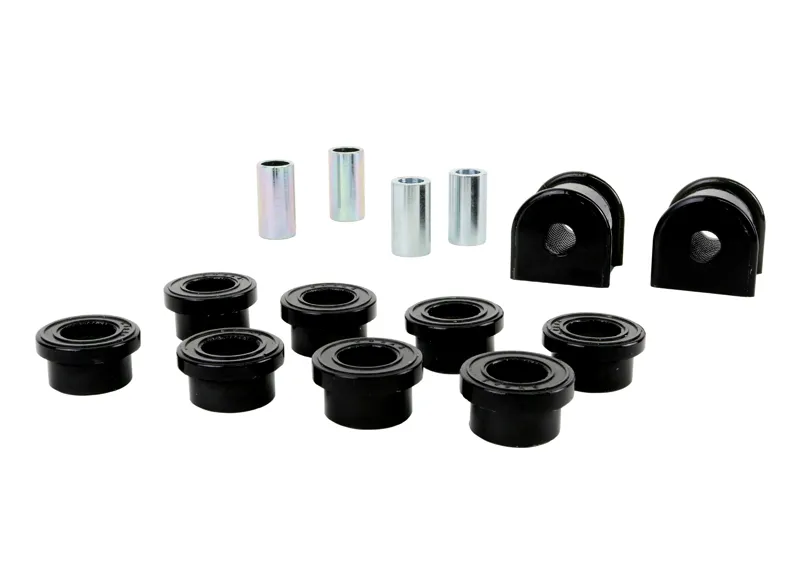
Most repairs involve replacing the mount bushings, the end links or both. Fitting rubber again restores the feel for a while, but the same hardening and cracking returns. Our polyurethane sway bar bushings hold the bar firmly, resist oil, road salt and ozone, and carry a limited lifetime warranty. Greaseable universal bushings are available too, so you can keep the bar running quietly for the life of the installation.
If you are budgeting the repair, our guide to sway bar replacement cost breaks down what each part typically costs. And if you are wondering whether you can simply run without the bar, read sway bars vs no sway bars first.
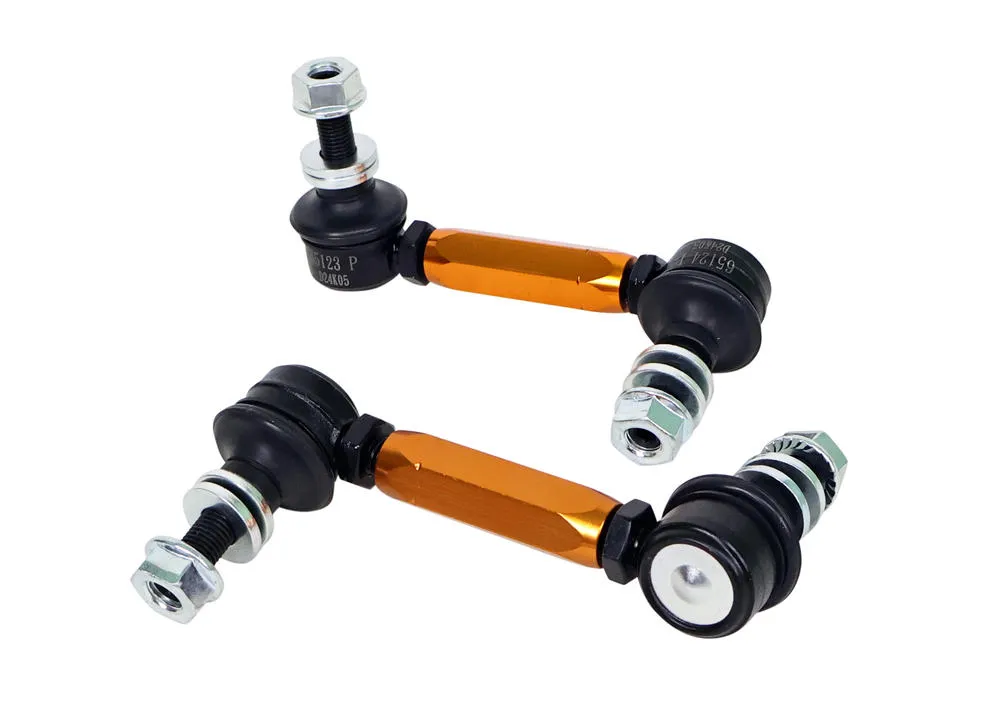
Adjustable Sway Bar Link
FAQs
Looking for more information about sway bars? Below we answer the most commonly asked questions.
What are the symptoms of a bad sway bar?
Can a bad sway bar cause clunking?
What happens if a sway bar breaks while driving?
Why does my sway bar squeak?
Is it safe to drive with a bad sway bar?
How do I know if it is the sway bar link or the bushing?
Get your vehicle back to feeling planted and quiet. Shop our sway bars and sway bar kits, including polyurethane bushings and end links matched to your vehicle.


