
 US
 Australia
 United Kingdom
 Europe
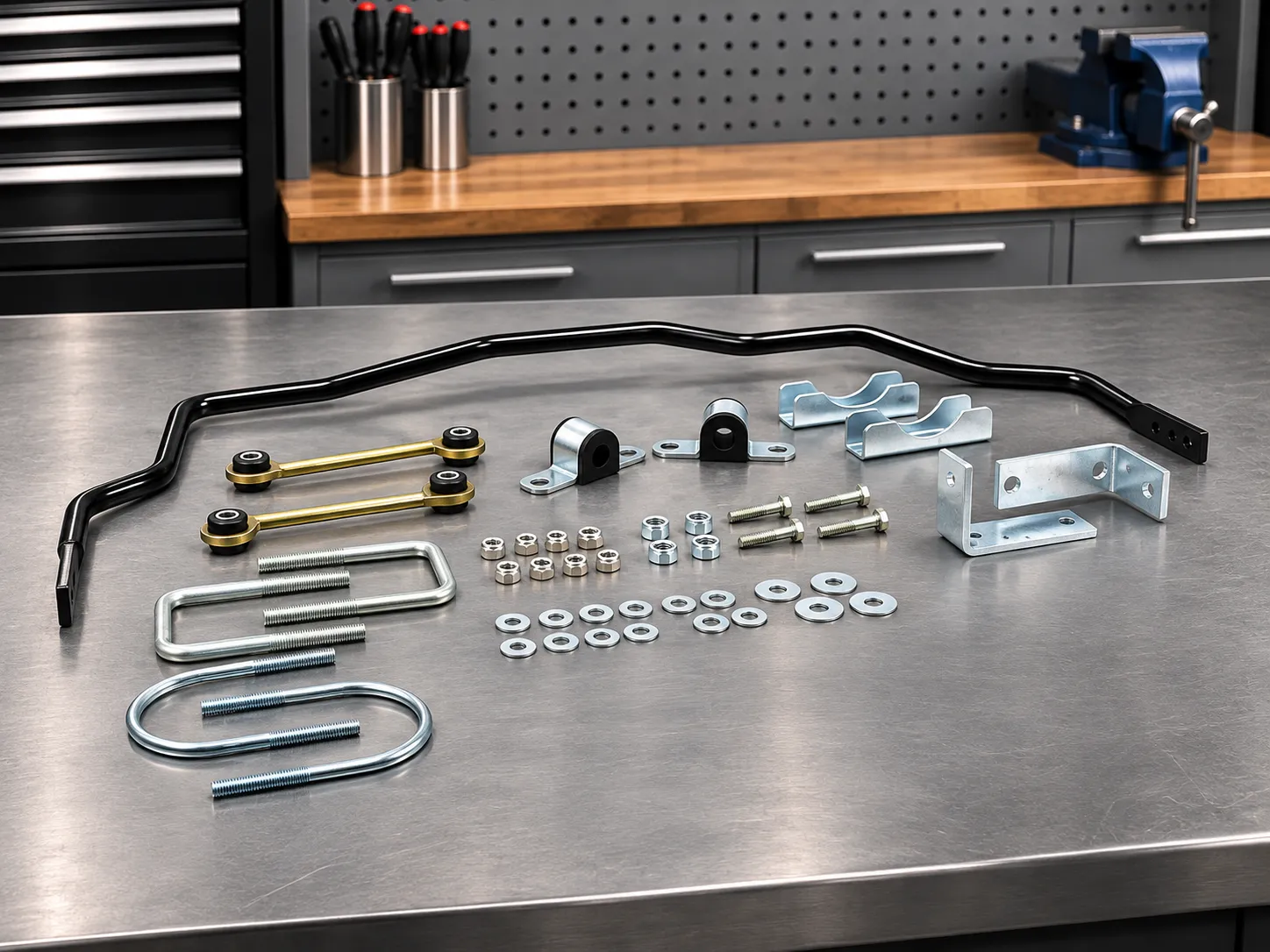

You can physically drive without a sway bar, but on the road the vehicle will lean more, react slower to steering and feel less stable in emergency maneuvers and crosswinds. In the sway bars vs no sway bars debate, running without them only makes sense off-road at low speed, where disconnecting the bar improves articulation.
The question usually comes up in one of two situations. Either a sway bar or stabilizer bar part has failed and you are wondering whether you can keep driving, or you have heard that removing the bar improves ride comfort or off-road flex. Both are fair questions, and the honest answer depends on where and how you drive. Here is what really changes when the bar comes off, and why we recommend keeping healthy sway bars and sway bar kits on any vehicle that sees the street.
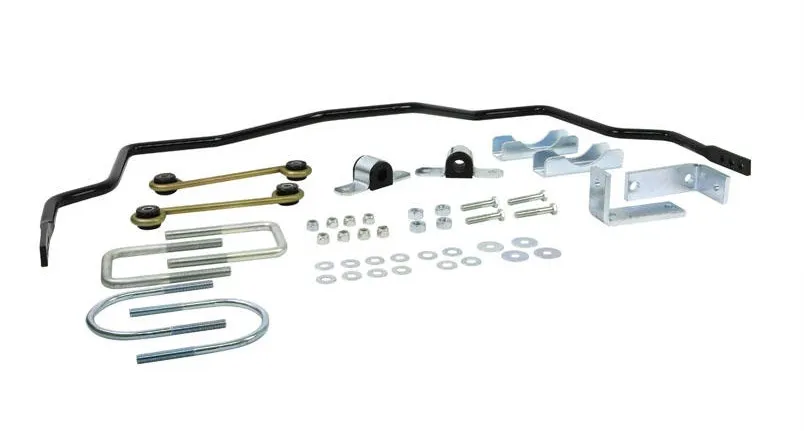
Adjustable Rear Sway Bar - 18mm 3 Point
What Happens When You Drive Without a Sway Bar?
The sway bar links the left and right sides of the suspension, so driving without sway bar control lets each side move independently. In straight-line driving over even bumps you may notice very little difference. The changes appear the moment you turn, change lanes or meet an uneven surface.
Without the bar, the vehicle leans further in corners and takes longer to settle afterward. Steering feels slower because the body has to finish leaning before the tires respond fully. In a sudden swerve, the extra lean shifts weight harder onto the outside tires, which reduces cornering traction exactly when you need it most. Taller vehicles such as trucks, SUVs and lifted 4x4s feel the difference the most because their higher center of gravity magnifies every bit of sway.
Can You Drive Without a Sway Bar Safely?
For a short, careful trip to the shop, most vehicles are drivable with a broken or disconnected sway bar. Keep speeds down, take corners gently, leave extra following distance and avoid sudden steering inputs. Do not tow or carry heavy loads, since both increase lean and reduce stability.
As a long-term setup on public roads, running without the bar is a poor trade. The vehicle was engineered with sway bars as part of its handling balance, and removing one changes how it behaves at the limit. If a bar has broken or its bushings and links are worn, fixing the system is the safer and more comfortable option.
Sway Bars vs No Sway Bars Compared
|
Driving situation |
With healthy sway bars |
Without sway bars |
|
Highway corners and ramps |
Flat, stable and predictable |
Noticeably more lean and slower response |
|
Emergency lane change |
Settles quickly, steering stays precise |
Rocks further, outside tires overloaded |
|
Crosswinds and passing trucks |
Steady and planted |
More vehicle sway |
|
Towing or carrying a load |
Controlled lean |
Less stable on curves |
|
Straight-line bumps |
Comfortable |
Similar comfort |
|
Slow off-road rock crawling |
Limits wheel articulation |
More articulation and flex |
Why Off-Roaders Disconnect Instead of Removing the Bar
On solid-axle 4x4s such as Jeeps and older trucks, the front sway bar limits how far one wheel can drop while the other climbs. Freeing the bar lets the axle twist further, keeping more tires on the ground and improving traction on rocks and ruts. That is why some off-road drivers talk about running without sway bars.
The smarter approach for trail use is a disconnect. Quick disconnect end links let you unpin the bar at the trailhead for full articulation, then reconnect it before you drive home on the highway. You get the off-road benefit without giving up on-road stability. Our guide to the sway bar disconnect explains the options in detail.
Keep the Bar, Fix the Real Problem
Most people who consider removing a sway bar are actually dealing with worn parts. Hardened rubber bushings squeak and let the bar knock, while tired end links clunk over every bump. Replacing those parts is affordable and restores the quiet, planted feel the vehicle had when new.
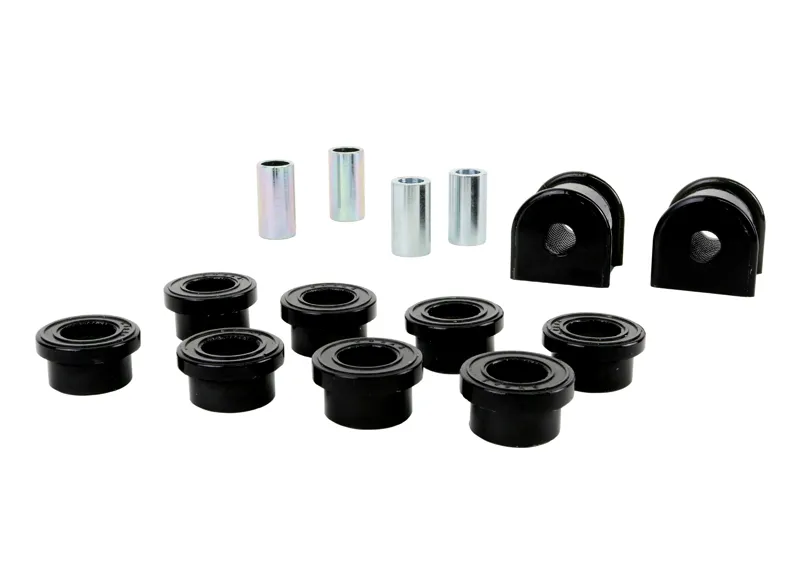
Our polyurethane sway bar bushings hold the bar firmly and resist oil, road salt and ozone, with a limited lifetime warranty. We also offer end links, brackets and complete front and rear sway bar kits. If you are unsure what has failed, our list of bad sway bar symptoms is a good place to start.
FAQs
Looking for more information? Below we answer the most commonly asked questions
Can you drive without a sway bar?
Is it illegal to drive without a sway bar?
Does removing a sway bar improve ride quality?
Should I remove my sway bar for off-roading?
What happens if you drive with a broken sway bar?
Do trucks need sway bars?
Keep your vehicle stable on the road and flexible on the trail. Browse our sway bars and sway bar kits, including bushings, end links and quick disconnect options.


