
 US
 Australia
 United Kingdom
 Europe
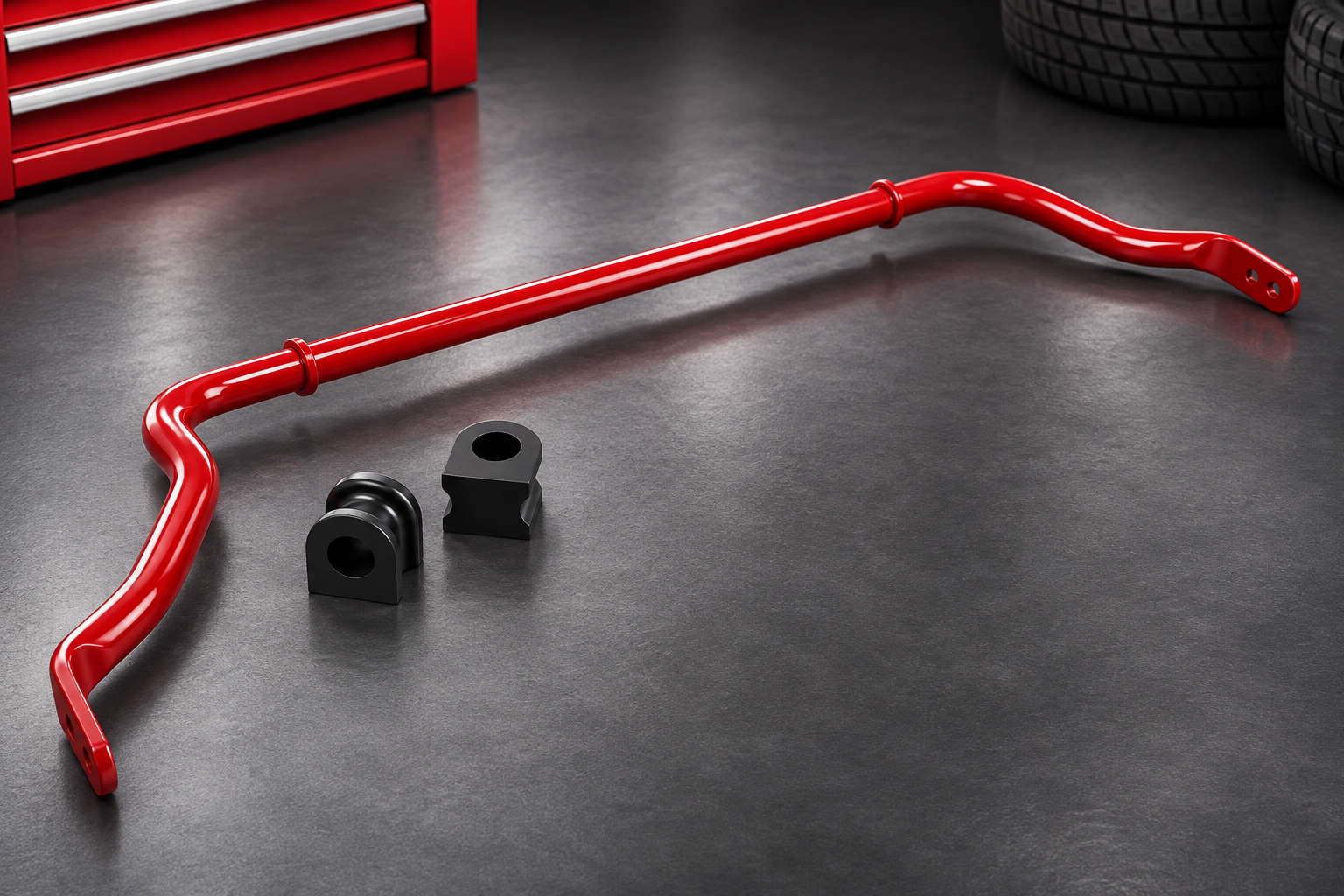

An aftermarket sway bar upgrade is worth it if your vehicle leans heavily in corners, feels vague in lane changes or wallows when loaded or towing. A thicker or adjustable sway bar cuts vehicle sway, sharpens steering and improves cornering traction, usually in about an hour of install time and without the cost of a full suspension overhaul.
Few suspension upgrades change how a vehicle feels as quickly as a better sway bar, sometimes listed as a stabilizer bar in factory manuals. It is a favorite first modification for muscle car owners, a common fix for top-heavy SUVs and a smart addition for trucks that carry weight. Here is what an aftermarket sway bar actually changes, how adjustable bars work and how to choose the right setup from our sway bars and sway bar kits.
What Changes With an Upgraded Sway Bar?
Factory sway bars are sized for comfort and a safe, predictable balance across every kind of driver. That usually means a bar on the soft side. Upgraded sway bars are stiffer, so they resist twisting more and hold the body flatter in corners.
Bar diameter makes a bigger difference than most people expect. For a solid bar, torsional stiffness rises with the fourth power of its diameter, so even a small increase produces a noticeably stiffer bar. You feel it as less lean on ramps, quicker turn-in, a calmer response to sudden lane changes and more consistent tire contact through a corner.
How an Adjustable Sway Bar Works
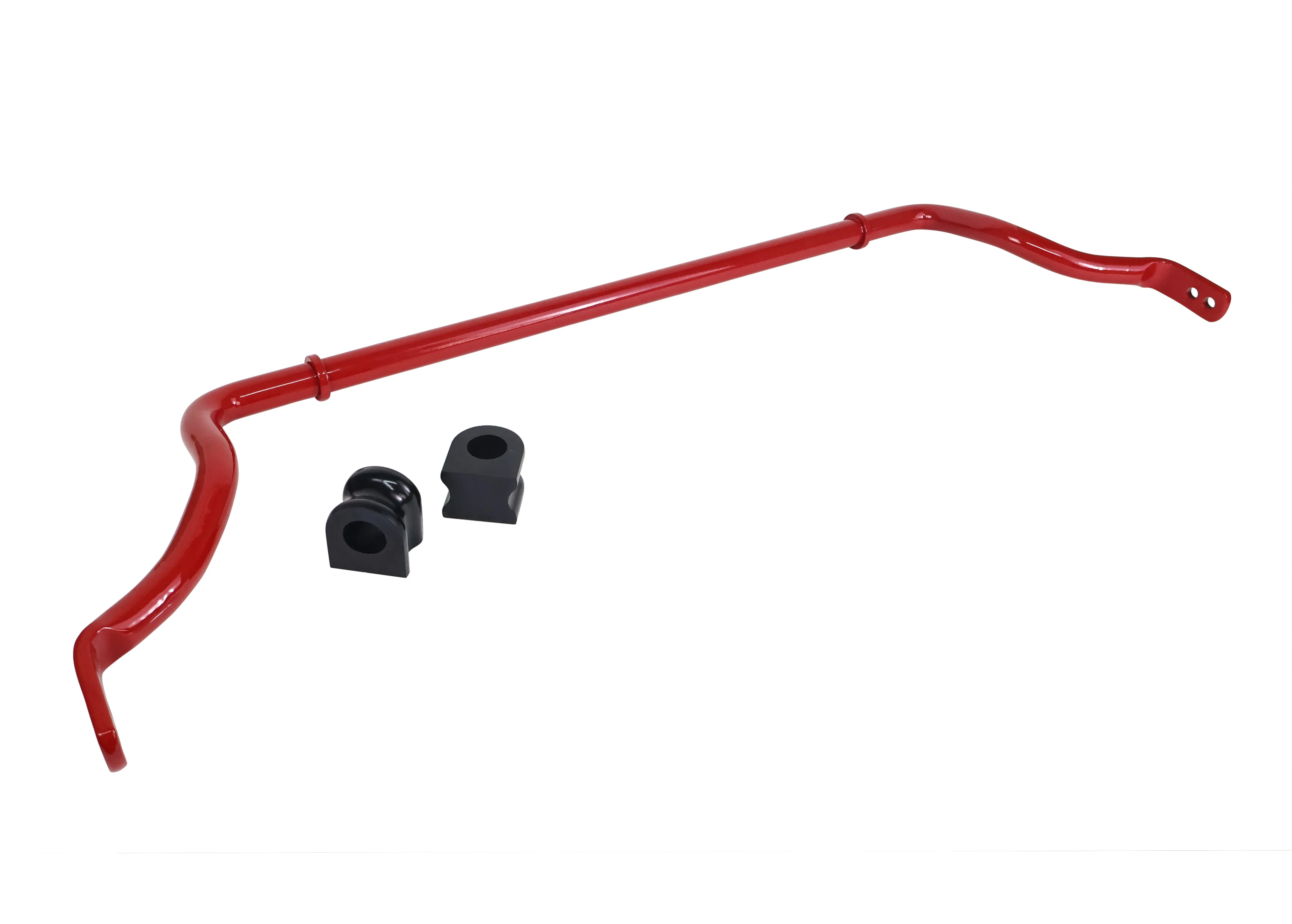
An adjustable sway bar has two or three mounting holes at each end for the end link. Moving the link to a hole closer to the bar's bend shortens the lever arm, which makes the bar effectively stiffer. Moving it further out softens the bar again. That sway bar adjustment takes minutes with basic hand tools.
The real benefit of an adjustable bar is control. You can fine tune the balance between the front and rear, set the car up differently for street and track days, or adapt the rate after changing tires or ride height. Our adjustable kits come in two and three position designs, and we offer matched front and rear sets for owners who want both ends tuned together.
Who Gets the Most From an Aftermarket Sway Bar?
|
Vehicle and use |
Common complaint |
Upgrade that suits it |
|
Muscle and classic cars |
Soft factory bars, heavy lean |
Thicker front bar, matched rear bar |
|
Front-wheel drive cars |
Pushes wide in corners |
Rear sway bar upgrade |
|
SUVs and crossovers |
Tall body sways in lane changes |
Front and rear set |
|
Trucks carrying loads or towing |
Rear sways on curves |
Rear bar, heavy-duty where available |
|
Weekend track and autocross cars |
Need to tune balance |
Adjustable two or three position bars |
Most owners notice the change within the first few corners. The vehicle feels more planted and settles faster, which builds confidence on winding roads and freeway ramps alike.
Are There Any Downsides to a Stiffer Sway Bar?
A stiffer bar adds a little firmness over one-wheel bumps, because those twist the bar. Straight-line bumps that hit both wheels together feel largely the same. For most drivers the trade is small compared with the gain in stability.
Off-road 4x4s need a little more thought before you upgrade. A stiffer front bar reduces articulation on the trail, so many owners pair an upgraded bar with quick disconnect end links. Balance also matters at the rear, since a much stiffer rear bar can make some vehicles oversteer. That is why adjustable bars and matched sets are worth considering. Our guide to front vs rear sway bars explains how to get the balance right.
Fitting Your Aftermarket Sway Bar Properly
A new bar is only as good as the parts holding it. Fit fresh polyurethane mount bushings and quality end links at the same time, so none of the bar's stiffness is lost to slack in worn rubber. Our sway bar kits include the hardware needed for a complete fitment, and most take around an hour to install.
Our polyurethane bushings resist oil, road salt and ozone, hold the bar firmly in its brackets and carry a limited lifetime warranty. If you are budgeting the job, our guide to sway bar replacement cost shows what typical labor looks like.
FAQs
Looking for more information about sway bar upgrades? Below we answer the most commonly asked questions.
Are aftermarket sway bars worth it?
What is an adjustable sway bar?
Do bigger sway bars make the ride harsher?
Should I upgrade the front or rear sway bar first?
How long does a sway bar upgrade take to install?
Do I need new bushings and end links with an upgraded sway bar?
Ready to take the lean out of your daily drive? Browse our sway bars and sway bar kits, including adjustable, heavy-duty and matched front and rear options.


