US
 Australia
 United Kingdom
 Europe
Coil Spring Insulators with Fitting Position Rear for 2021 Jeep Wrangler Unlimited High Altitude
IMPROVE GRIP, HANDLING & PERFORMANCE.
A coil spring insulator is the cushioned pad that sits between each end of a coil spring and the seat it rests in. Nolathane coil spring insulators replace flattened, cracked, or missing pads on your Jeep Wrangler, and you?ll also see them called a coil spring isolator or a spring pad. Whatever the name, the job is the same: cushion the spring a... Read more
A coil spring insulator is the cushioned pad that sits between each end of a coil spring and the seat it rests in. Nolathane coil spring insulators replace flattened, cracked, or missing pads on your Jeep Wrangler, and you?ll also see them called a coil spring isolator or a spring pad. Whatever the name, the job is the same: cushion the spring and hold it in the right place.
Fresh coil spring insulators bring back a quiet, settled ride and the ride height the suspension was designed around. They?re usually renewed during a spring or strut job, or on their own to cure a creak that won?t go away. Each listing shows the position, suspension type, and dimensions the pad suits.
How a Jeep Wrangler Coil Spring Insulator Works
A coil spring is hard steel resting on a steel or stamped seat. Without a pad between them, every movement of the suspension grinds one metal surface against the other. The insulator does four jobs at once:
- Stops metal-to-metal contact between the spring end and the spring seat (or spring perch)
- Absorbs high-frequency vibration that would otherwise travel into the body as road hum
- Keeps the spring end seated and indexed, so the last coil sits against its stop
- Shields the seat from wear and holds off the corrosion that starts where paint has been rubbed away
That last point is easy to overlook. Once a spring has worn through its pad, it polishes the seat bare, moisture gets in, and rust begins eating the very surface the spring depends on.
Jeep Wrangler Upper, Lower, Front, and Rear Spring Insulator Positions
Coil spring insulators are made for specific places in the suspension, and the shape of each one follows the seat it fits.
Strut Upper and Lower Insulators
On a front strut, one insulator sits under the strut mount at the top of the spring and another sits in the lower spring seat welded to the strut body. The upper pad often has a raised collar that centers the spring. The lower pad usually carries a step or tab that locates the end of the last coil.
Rear Coil Spring Insulators
At the rear, the spring commonly sits between a perch on the axle or control arm and a cup in the body or frame. Rear insulators tend to be flatter, and some only fit the top or the bottom, depending on how the factory located the spring.
Spring Pads for Trucks and 4x4s
Trucks, SUVs, and 4x4s with coil-sprung live axles use heavier spring pads at the axle seat or the frame seat. These pads carry more weight, take bigger hits off-road, and often see mud and water, so the material needs to hold its thickness under load and shrug off grit.
Signs of Worn Spring Insulators on Your Jeep Wrangler
Worn insulators rarely announce themselves all at once. The common clues are:
- Creaking, ticking, or groaning when turning the wheel or parking
- A clunk over bumps or when one wheel drops into a pothole
- Pads that look cracked, flattened, split, or are missing altogether
- One corner of your Jeep Wrangler sitting lower than the others
- A wheel alignment that drifts or won?t hold its settings
A creak at low speed while turning is the classic symptom on a front strut. Before blaming the insulator, check the strut mount bearing, since it can make a similar noise.
Spring Insulators and Jeep Wrangler Ride Height
Pad thickness is part of ride height. Each insulator adds a small, fixed amount between the spring and its seat, and the factory accounts for it when setting the stance of the vehicle.
Insulators take a compression set over the years, gradually flattening under constant weight. That?s why reusing old pads with new springs causes problems. The new springs may be correct, yet your Jeep Wrangler still sits low, or one side sits lower than the other, because the tired pads have already lost part of their height.
Ride height drives suspension geometry. A corner that sits low changes camber and toe, which shows up as uneven tire wear and a steering wheel that isn?t quite straight. Replacing the insulators with the springs takes that variable out of the equation.
Rubber and Polyurethane Jeep Wrangler Spring Insulators
Rubber is the factory choice on most vehicles, and it performs well while it?s new. It?s soft, quiet, and very good at soaking up fine vibration. The downside is lifespan: rubber takes a compression set, hardens with age and heat, and cracks once oil, ozone, and road salt get to it.
Polyurethane holds its shape far longer under the weight of your Jeep Wrangler, so the ride height you set stays put. It resists oil, ozone, and weathering, and its abrasion resistance suits pads that face grit and water. It is firmer than fresh rubber, though, so slightly more noise can reach the cabin. It also needs the correct lubricant where specified, or the spring end can squeak as it moves against the pad.
Neither material is the wrong choice. Rubber suits a stock daily driver where the quietest possible ride matters most. Polyurethane suits vehicles that carry loads, tow, go off-road, or have already worn out a set of rubber pads.
Jeep Wrangler Hardness Grades, Thickness, and Lift Pads
Polyurethane insulators come in different hardness grades, measured as durometer. A softer grade keeps a car quiet and compliant, while a firmer grade resists being squashed under the heavier loads of a truck or a 4x4 carrying accessories.
Thickness varies too. Standard-height pads match factory height and are the right choice for a straight repair. Thicker pads add a small amount of height and are often used to correct a sag, level a vehicle that sits down on one side after adding a winch or a drawer system, or provide a modest lift. A thicker pad used this way is sometimes sold as a coil spring spacer. Each listing shows the height and the position it suits.
A lift pad is not a substitute for the correct spring. It raises the vehicle without changing spring rate, so a weak spring stays weak, only taller.
Choosing Coil Spring Insulators for Your Jeep Wrangler
Each listing shows which seat a pad suits, along with its thickness and location, so you can match it against your Jeep Wrangler. Three details decide the fit.
Position and Spring End Type
Check whether you need an upper or lower pad and whether it fits the front or rear. Then look at the spring end. A flat ground end needs a flat seat, while a pigtail end, where the last coil is wound tighter, needs a pad shaped to locate that smaller coil.
Seat Diameter and Height
Direct-fit insulators are matched to your Jeep Wrangler. For universal pads, measure the spring seat diameter, the spring wire diameter, and the height you want to keep or add, then compare them with the dimensions in the listing.
Pairs and Sets
Replace insulators on both sides of an axle together. A new pad on one side and an old, compressed one on the other leaves the vehicle uneven.
Installing Spring Insulators on Your Jeep Wrangler
The best time to replace insulators is during spring or strut service, when the spring is already out. Removing a coil spring calls for a proper spring compressor, and the work belongs with a qualified installer. A compressed spring stores a large amount of energy, and a slipped compressor can release it violently.
During installation, rotate the spring until its end sits against the step or tab in the insulator. A pad that isn?t properly seated will creak and wear unevenly. Lubricate polyurethane pads where the instructions specify, tighten strut and suspension fasteners to the factory torque, and book a wheel alignment if ride height has changed.
Jeep Wrangler Spring Insulator Limitations and Trade-Offs
Spring insulators solve a narrow set of problems, and it helps to know their limits:
- Polyurethane can pass slightly more noise and vibration into the cabin than new rubber
- A dry polyurethane pad may squeak against the spring end
- New insulators can?t fix a sagging or broken spring or a worn strut mount
- Lift pads change suspension geometry and may need a wheel alignment
If a corner sits low and the spring is tired, replace the spring and the insulators together.
Compliance and Insurance
Lift pads change ride height, and states set their own limits on lift, bumper height, and headlight aim. Follow the equipment and inspection rules of the state where the vehicle is registered. Let your insurance company know about any modifications, including lift pads, so your policy reflects the vehicle as it?s driven.
Warranty and Support
Nolathane coil spring insulators and spring pads carry a lifetime warranty that covers any defect in material or workmanship, for as long as they stay on the original vehicle. If you?re unsure, talk to our local support team about which position, thickness, or hardness grade fits your spring or strut job.
Shop Coil Spring Insulators for Your Jeep Wrangler
Insulators are part of Nolathane's polyurethane bushings selection.
Browse the coil spring insulators for your Jeep Wrangler, or shop the universal spring pads by size. Every order is sent with fast shipping, and our fitment guarantee stands behind each direct-fit insulator. For universal pads, the guarantee means the part matches the dimensions shown in the listing.
1 item
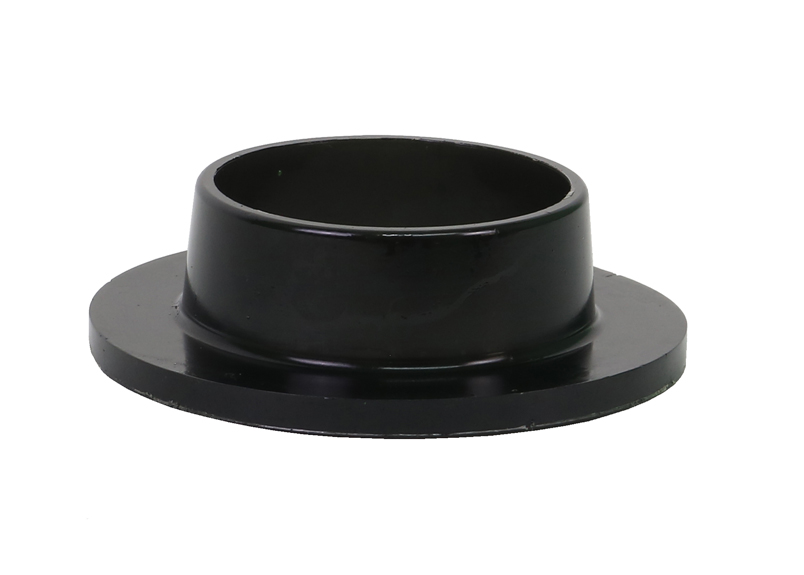
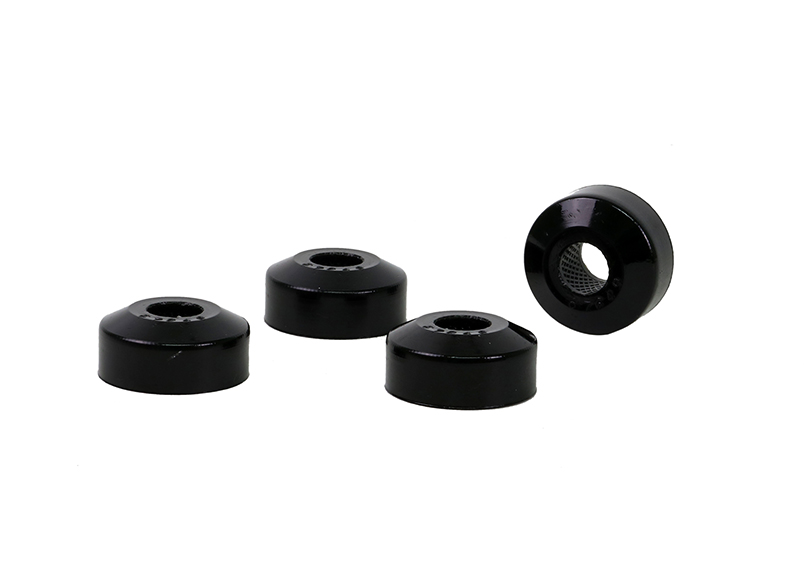
Rear Coil Spring Pad - Lower Bushing Kit
✅ Fits 2021 Jeep Wrangler Unlimited High Altitude Pre-OrderAvailable for Preorder. Ships within 4-6 weeks.Available for Preorder. Ships within 4-6 weeks.SKU: REV176.0018Rear Coil Spring Pad - Lower Bushing Kit
✅ Fits 2021 Jeep Wrangler Unlimited High AltitudePre-OrderAvailable for Preorder. Ships within 4-6 weeks.Available for Preorder. Ships within 4-6 weeks.Qty Required 1$5.87
Your vehicle
Matching vehicles
No match — try selecting it below.
Refine your search
Clear allCan’t find what you’re looking for?
Our team can help you find the right part — or tell us what was missing so we can improve the site.
Call Us +1 909-476-2860 Give Feedback (opens in a new tab)