
 AU
AU United Kingdom
 Europe
 United States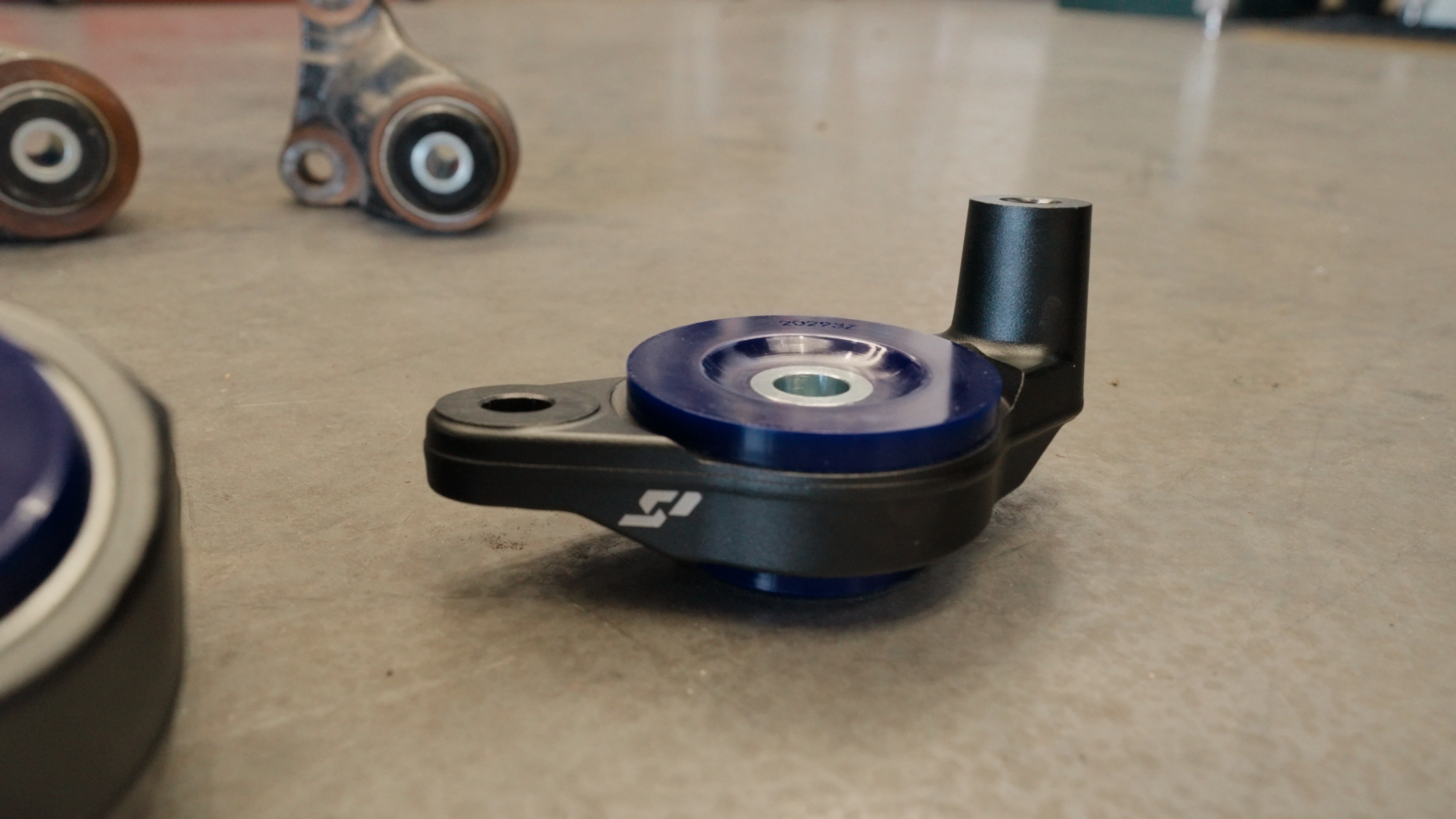

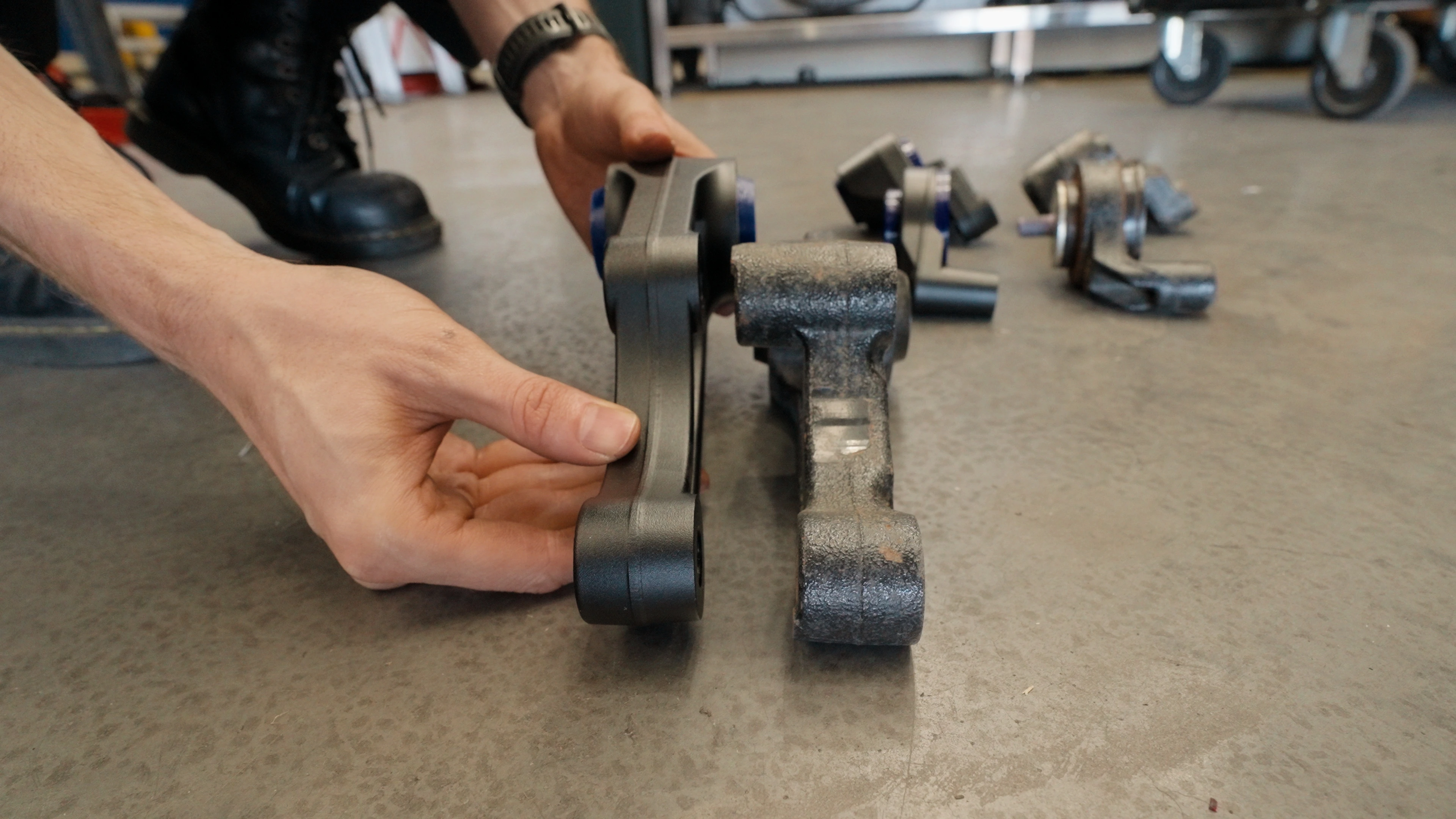
It lowers the front differential housing by roughly the amount of the drop, around 25mm or more on our SuperPro kits. Against a 50mm lift you are still ahead. On most utes the sump, crossmember or a skid plate stays the lowest point anyway, so the diff was rarely what you were hitting.
This is the smartest objection in the set, because it is a real trade off rather than a misunderstanding. You lift the ute to gain clearance, then bolt on a kit that lowers a driveline component. That is a reasonable thing to ask. The answer is that the maths still favours you and the diff usually is not your limiting point. Our diff drop kits are designed around that trade off.
The arithmetic, done plainly
A 2 inch lift raises the chassis and everything hung off it by around 50mm. A diff drop lowers the front differential relative to the chassis by around 25mm on our SuperPro kits. Those two changes work in opposite directions on the same component.
|
Measurement point |
Stock |
50mm lift, no diff drop |
50mm lift with 25mm diff drop |
|
Front diff housing, lowest point |
Baseline |
Baseline plus 50mm |
Baseline plus 25mm |
|
Sump and crossmember |
Baseline |
Baseline plus 50mm |
Baseline plus 50mm |
|
Rock sliders and diff pumpkin at the rear |
Baseline |
Baseline plus 50mm |
Baseline plus 50mm |
*measurements may vary depending on the part and vehicle that it’s fitted on.
So you end up 25mm better than stock at the front diff, and 50mm better everywhere else. You have given back half the gain at one point and kept all of it at every other point.
What is actually the lowest point on your ute
This is where the objection usually falls over. Walk under a standard dual cab and look at what hangs lowest. On most of the platforms we fit, the front differential housing is not it. The sump, the front crossmember, the transfer case or a factory bash plate typically sit at or below the diff, and those all rise with the lift and stay risen.
The front diff also sits inboard and fairly high in the wheelbase, which is not where you usually make contact. What catches on a rock ledge or a rutted track is the leading edge of the crossmember, the sliders, or the rear diff. None of those move when you fit a front diff drop.
Where the trade off does bite
We are not going to pretend it never matters. There are situations where the extra 25mm at the front diff is worth thinking about.
Serious rock work at low speed: If you are picking lines over ledges and your build is already tight at the front, 25mm is real. That is a build where you should be talking to a fitter about the whole underbody, rather than this one part in isolation.
Deep single ruts: A high centre ridge running under the vehicle can find a lowered front diff on a track where it would have cleared before.
Very high lifts: Above 3 inches the geometry conversation changes anyway, and the right answer might be a different kit or a different approach rather than a bigger drop.
For touring, corrugations, sand, beach work, gravel and towing, which is what most lifted utes in Australia actually do, the 25mm is not the constraint. Front CV life is what constrains you.
The trade you are actually making
Put plainly, you are trading 25mm of clearance at one point that is rarely your lowest, in exchange for keeping the front CV joints inside their design operating angle. The first is a small and situational geometry cost. The second decides whether you replace a pair of CV assemblies early.
If clearance at the front diff genuinely is your limiting factor, that is a conversation about underbody protection, tyre size and line choice, and we would rather have it with you than sell you a kit that does not suit your build.
Not sure where your build is tight? Book a free suspension check and we will look at the whole underbody. Browse diff drop kits for your platform.
Related reading: what a bad CV angle does · the 3 inch rule explained