
 AU
 United Kingdom
 Europe
 United States
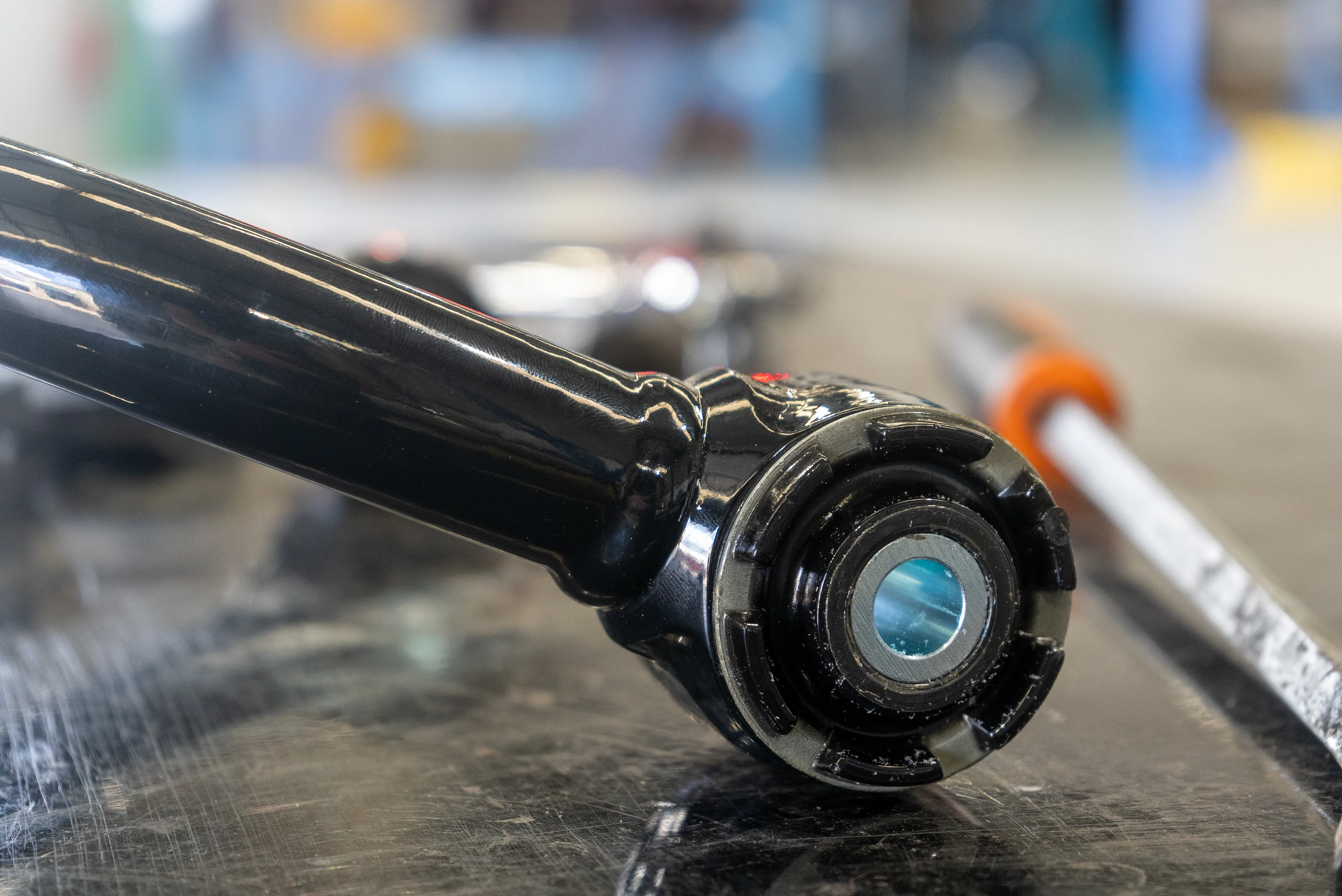

Genuine OEM suspension bushes restore exact factory feel but are usually rubber, often dealer priced and sometimes only sold fitted to a whole arm. Aftermarket bushes range from cheap rubber copies to engineered polyurethane. A quality polyurethane bush designed to OEM fitment gives you the factory fit with longer life, often without replacing the complete arm.
When a bush wears out, the parts counter usually offers two paths: the genuine part from the vehicle manufacturer or an aftermarket alternative. Some owners assume genuine is always better, while others assume aftermarket is always cheaper. Neither assumption holds true in every case, and the details matter. Here is how genuine and aftermarket bushes really compare on fit, cost, availability and service life, and where our polyurethane suspension bushes fit in.
What do you get with a genuine OEM bush?
A genuine bush is the same part the vehicle was built with, so fitment and feel match the original exactly. For a late model vehicle under new car warranty, or an owner who wants the factory ride with no change at all, that certainty is appealing.
The compromises are cost, availability and service life. Genuine bushes are usually priced through the dealer network, and on many modern vehicles the manufacturer only sells the bush already pressed into a complete control arm. On older vehicles, genuine bushes can be discontinued altogether. And because most genuine bushes are rubber, the new part will eventually wear in the same way as the one it replaces.
Are aftermarket bushes as good as genuine?
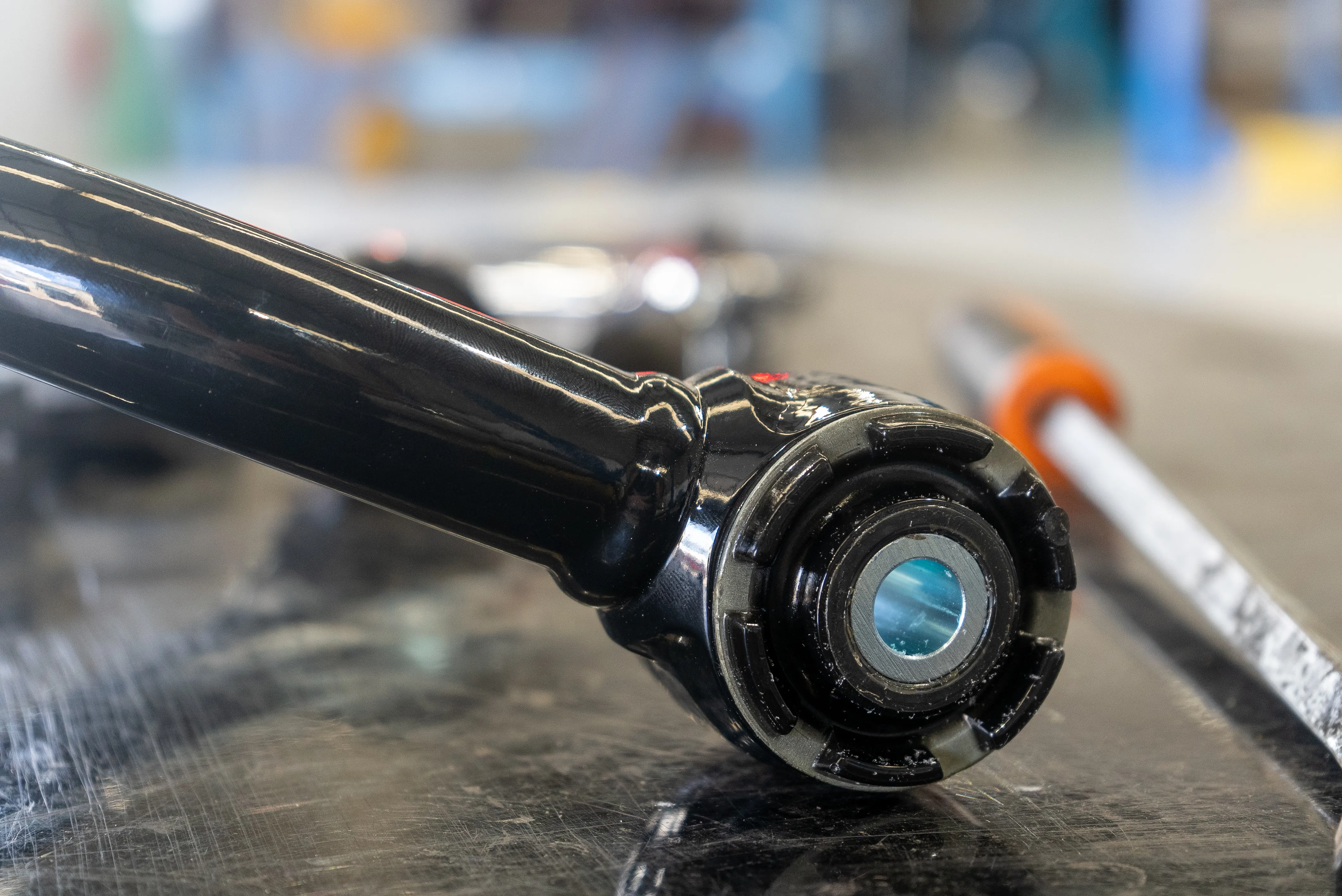
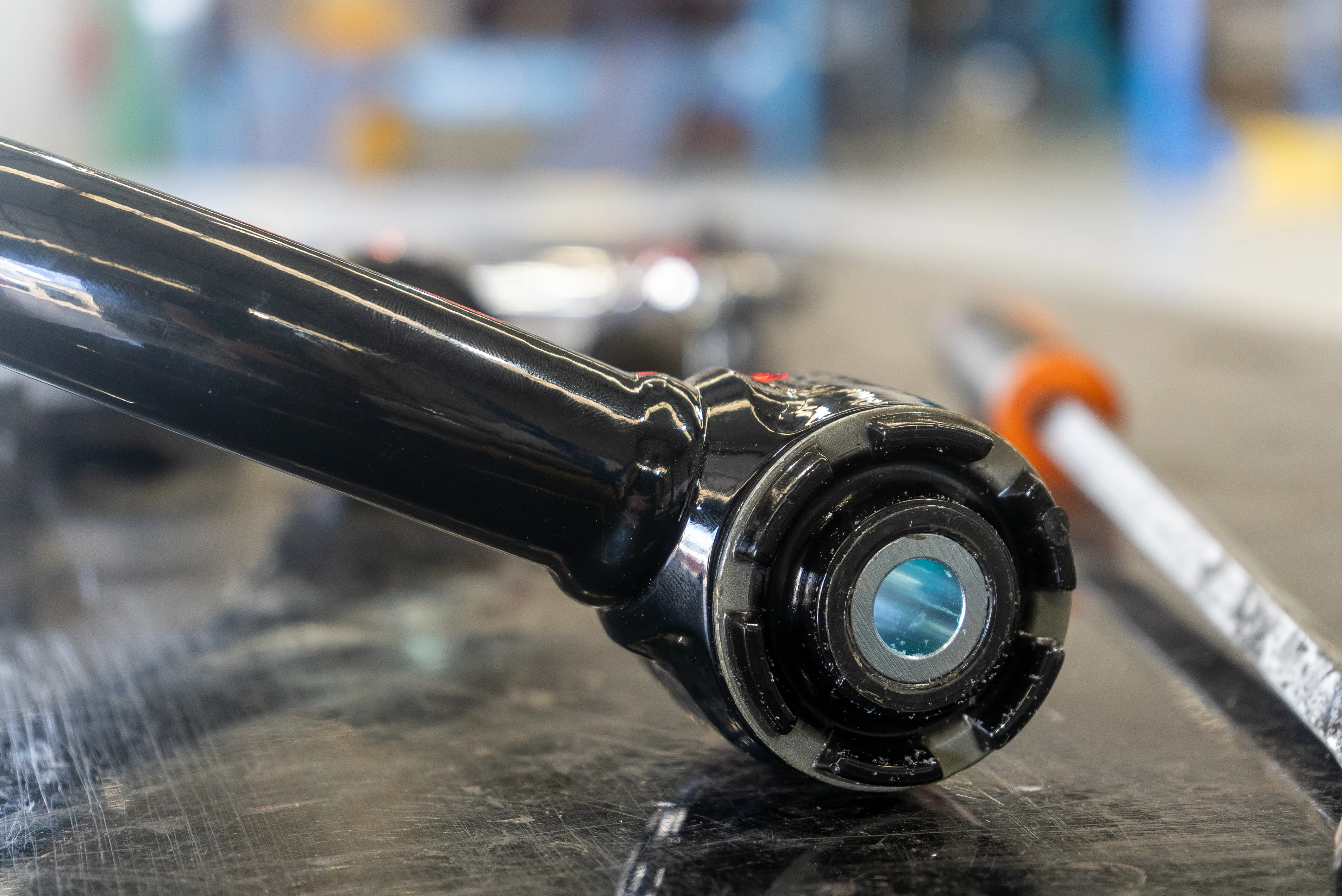
The answer depends entirely on the aftermarket brand you choose. At one end of the market, budget rubber copies use lower grade compounds and looser tolerances, and they can wear out faster than the genuine part. At the other end, engineered polyurethane bushes are designed to the OEM fitment but use a material that outlasts rubber.
The questions worth asking before you buy are simple. Is the bush designed for your exact vehicle and position? What material is the bush actually made from? Does the brand offer a meaningful warranty and a fitment guarantee? Is technical support available if something does not line up?
Why choose a polyurethane bush designed to OEM fitment?
A polyurethane bush designed to the factory fitment slots into the original arm or housing, so the vehicle keeps its factory geometry. The part that changes is the material the bush is made from. Polyurethane resists abrasion, oil, grease, ozone and weathering, and because our bushes pivot on a lubricated centre pin rather than twisting bonded rubber, they are not torn every time the suspension moves.
For many vehicles, this also means you can replace just the bush rather than buying a complete arm from the dealer, which keeps the repair affordable. Our current formulations are softer than early polyurethane and matched to each application, so the vehicle stays comfortable while gaining longer life and steadier alignment.
Genuine vs aftermarket bushes compared
|
Factor |
Genuine OEM rubber |
Budget aftermarket rubber |
Nolathane polyurethane |
|
Fitment |
Exact factory |
Varies |
Designed to factory fitment, fitment guarantee |
|
Ride when new |
Factory |
Close to factory |
Slightly firmer, comfortable |
|
Material life |
Similar to original |
Often shorter |
Long, resists heat, oil and ozone |
|
Availability on older vehicles |
Can be discontinued |
Varies |
Over 1,700 kits plus size search |
|
Sold as bush only |
Not always |
Usually |
Yes |
|
Warranty |
Manufacturer parts warranty |
Varies |
Lifetime warranty against defects |
Does fitting aftermarket bushes affect a new car warranty?
In Australia, using a non genuine part does not automatically void a manufacturer’s warranty, provided the part is fit for purpose and correctly installed. A manufacturer may decline a claim if a non genuine part caused the specific failure. If your vehicle is still under new car warranty and you have concerns, check with your manufacturer before fitting suspension upgrades.
When does genuine make more sense?
Genuine is a reasonable choice for a near new vehicle where the owner wants zero change in feel, or where a manufacturer recall or service campaign covers the part. For most vehicles out of warranty, and especially high kilometre vehicles, classics and utes that work hard, a quality polyurethane replacement delivers a longer lasting repair. Our guide to the best replacement suspension bushes compares the options in more detail.
How do you find the right Nolathane bush?
Search by make and model to see the kits designed for your vehicle, or match by dimensions with our bushing size search. Every Nolathane bush carries a lifetime warranty against manufacturing defects, and our resellers can supply and fit parts if you would rather not do the job yourself.
FAQs
Looking for more information about OEM and aftermarket suspension bushes? Below we answer the most commonly asked questions
Are OEM bushes better than aftermarket?
Are aftermarket suspension bushes any good?
Why do dealers sell the whole control arm instead of the bush?
Will aftermarket bushes void my car warranty?
Do polyurethane bushes keep factory geometry?
Compare kits for your vehicle in our suspension bushes range.