
 US
 Australia
 United Kingdom
 Europe
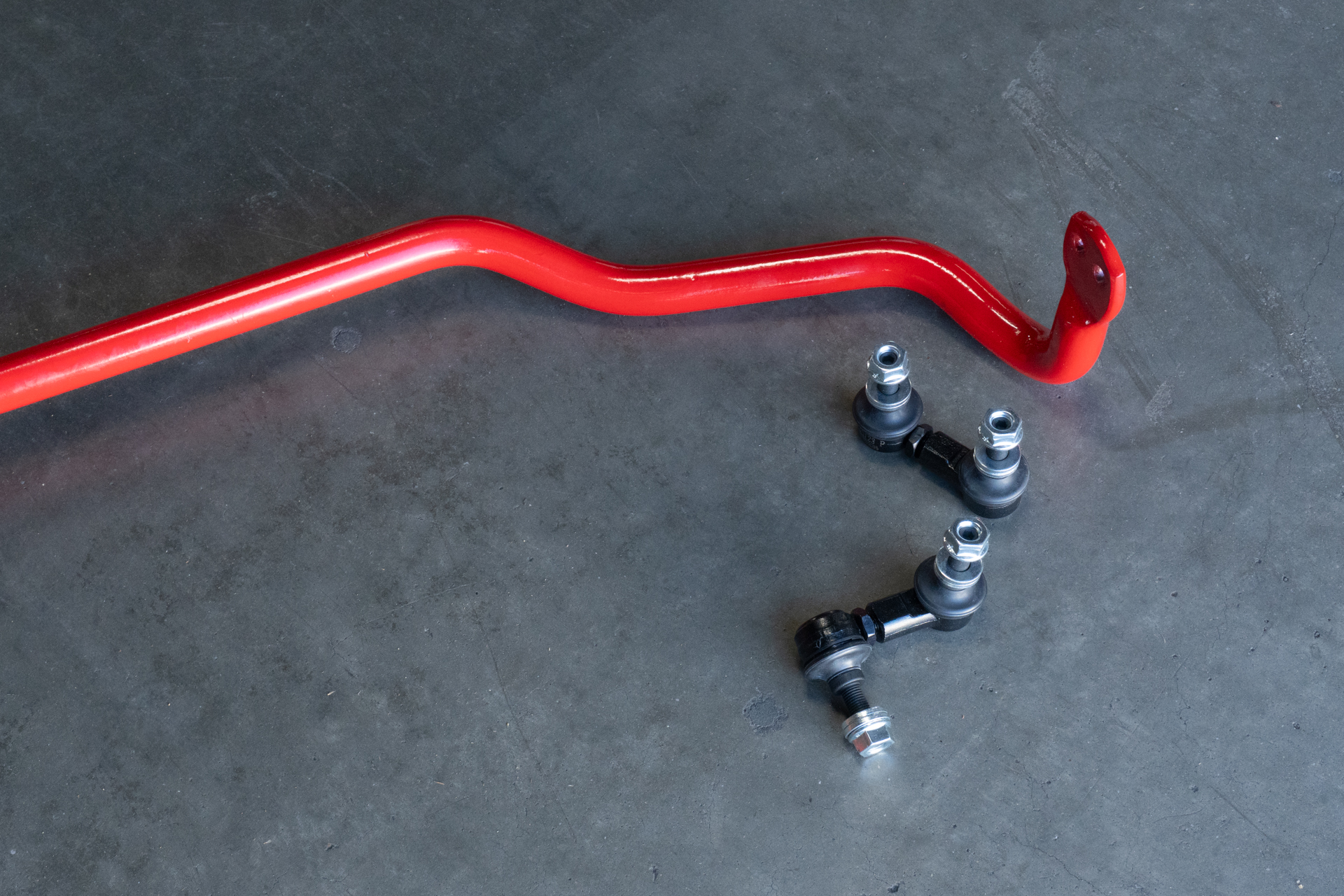

A sway bar disconnect lets you unhook the front sway bar from the axle so each wheel can move independently off-road. Quick disconnect sway bars use pinned end links you can release by hand at the trailhead, giving more articulation and traction on rocks and ruts. Always reconnect the bar before driving on pavement.
If you take a solid-axle 4x4 off-road, the front sway bar, or stabilizer bar, is often the part holding your suspension back. A sway bar disconnect solves that problem without giving up stability on the drive home. It is one of the most popular trail upgrades for Jeeps and trucks, and it costs far less than most suspension mods. Here is how it works, which type suits your rig and what to watch out for, along with where our sway bars and sway bar kits fit into the setup.
Why Disconnect a Sway Bar Off-Road?
On the road, the sway bar links the two front wheels so the vehicle stays level in corners. Off-road, that same link starts working against you. When one front tire climbs a rock, the bar tries to lift the opposite side too, which limits how far the axle can twist and can lift a tire off the ground.
Disconnecting the bar lets each side of the axle drop and climb freely. More articulation means more tires on the ground, more traction and a smoother ride over uneven terrain at crawling speed. Solid-axle vehicles such as Jeeps and older trucks gain the most, while independent front suspension trucks see a smaller benefit.
Types of Sway Bar Quick Disconnect
|
Disconnect type |
How it works |
Best for |
|
Manual unbolting |
Remove the lower end link bolts and tie the links up |
Occasional trail use on a budget |
|
Pin-style quick disconnect links |
Pull a pin, release the link and store it on a frame stud |
Regular trail use with fast changes |
|
Electronic disconnect |
A switch unlocks the bar at its center while the links stay attached |
Factory-equipped off-road models |
Pin-style quick disconnect sway bars are the most popular aftermarket option because they turn a messy wrench job into a few minutes at the trailhead. Our range includes quick disconnect end links alongside adjustable and universal links, so you can match the setup to your lift height and how often you hit the trail.
Jeep Sway Bar Disconnect Options
Jeeps are the most common candidates for a disconnect. On older TJ, YJ and XJ models, aftermarket quick disconnect links are the usual approach. A Jeep JK sway bar disconnect or Jeep JL sway bar disconnect is factory fitted as an electronic system on Rubicon models, while other trims rely on aftermarket links.
The Jeep Gladiator follows the same pattern as the JL, and the Bronco sway bar disconnect is electronic on its off-road focused trims. For any vehicle without a factory system, quick disconnect end links give you the same trail benefit at a fraction of the cost. Always check fitment for your exact model and lift height before ordering.
Getting Link Length Right With a Lift
Lifting a 4x4 moves the axle further from the frame, which changes the angle of the sway bar end links. Links that are too short can bind or invert the bar, while links that are too long can hit other parts during articulation. Both situations can bend links or damage the bar.
Match your end link length to your lift height, or use adjustable links that let you set the correct length. If the bar itself sits at a bad angle after a lift, a sway bar relocation bracket can restore the right geometry. Our brackets, universal saddle mounts and adjustable links are designed to keep the bar working correctly at the new ride height.
Safety Rules for Driving With the Bar Disconnected
Disconnecting the sway bar makes the vehicle lean much more on the road, so treat it strictly as a low-speed trail setting:
- Reconnect before pavement: Hook the bar back up before driving on paved roads or at higher speeds.
- Keep speeds low: Avoid sudden steering inputs that shift weight quickly while disconnected.
- Secure the loose links: Store disconnected links on their mounts so they cannot swing into tires or lines.
- Check pins and hardware: Inspect quick disconnect pins and bushings after every trip.
If you are tempted to remove the bar altogether, read our comparison of sway bars vs no sway bars first. Disconnects give you the trail benefit without the on-road compromise.
Keep Your Sway Bar Bushings Healthy
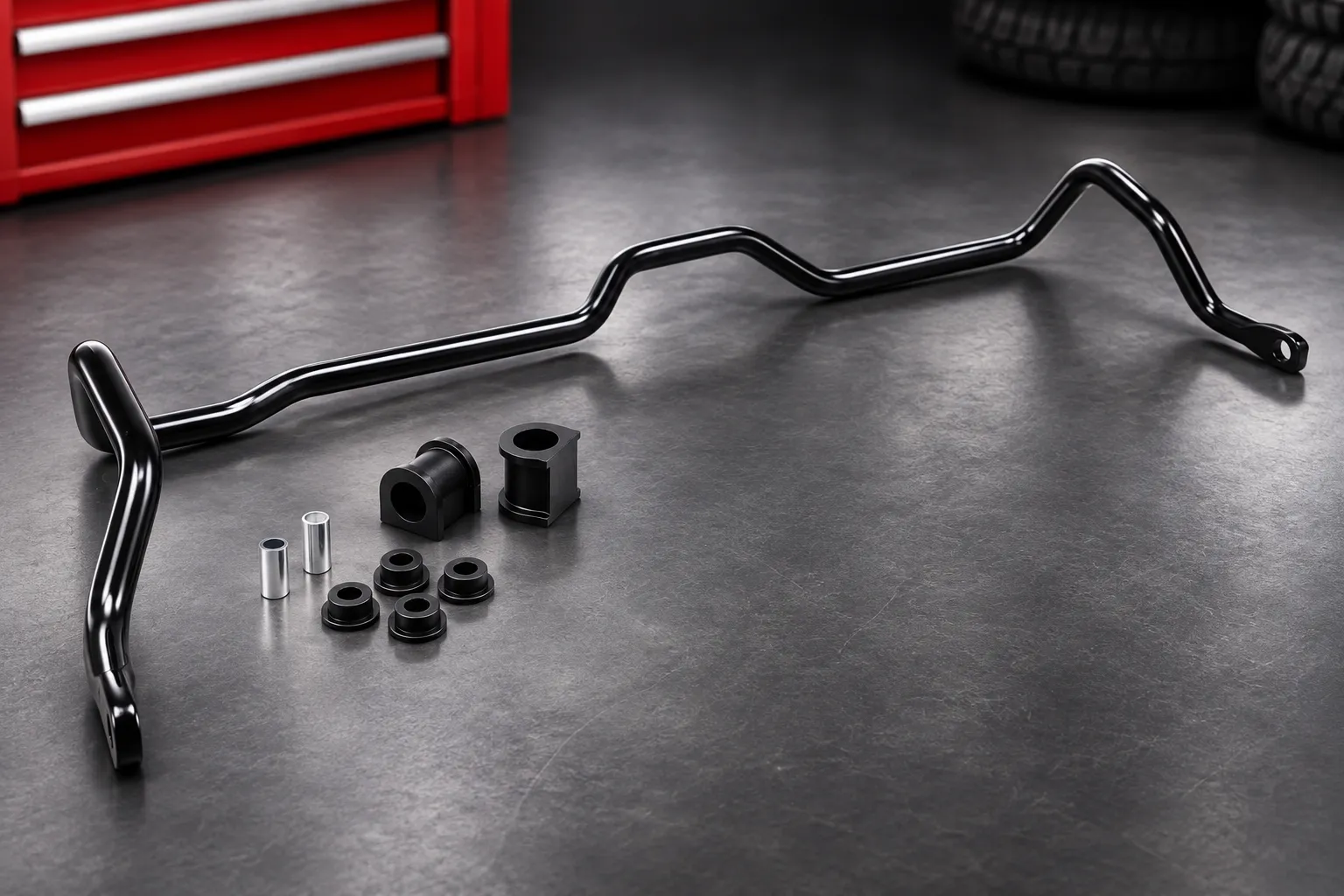
Every time you disconnect and reconnect, the bar and its mount bushings see extra movement, mud and water. Worn rubber bushings let the bar knock and squeak once it is back on the road. Our polyurethane sway bar bushings hold the bar firmly and resist mud, road salt and ozone, with a limited lifetime warranty. Greaseable designs let you keep them lubricated after wet trail runs.
FAQs
Looking for more information? Below we answer the most commonly asked questions.
What does a sway bar disconnect do?
Are quick disconnect sway bars worth it?
Can you drive on the highway with the sway bar disconnected?
Does disconnecting the sway bar help on independent front suspension trucks?
Do I need longer sway bar links after a lift?
How long does it take to disconnect a quick disconnect sway bar?
Free up your suspension on the trail and keep it planted on the road. Explore our sway bars and sway bar kits, including quick disconnect end links, brackets and polyurethane bushings.


