
 US
 Australia
 United Kingdom
 Europe
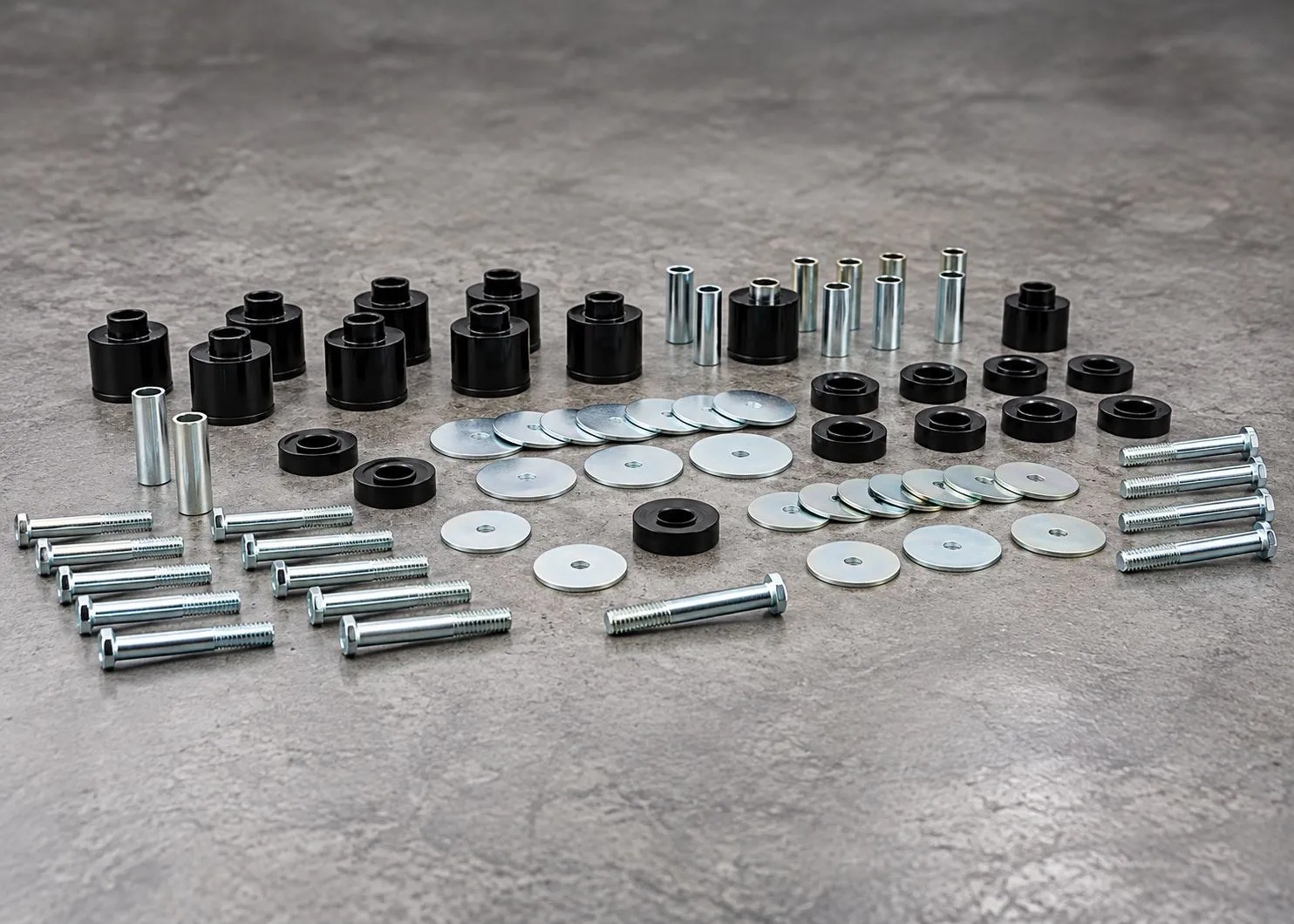

A body mount chop is a modification that cuts back the front body mount bracket on the frame and welds on a cap plate, creating room for larger tires to turn without rubbing. It is common on lifted Toyota trucks and SUVs running 33 to 35 inch tires. A relocation goes further and moves the mount behind the firewall.
Fit bigger tires to a body-on-frame Toyota and sooner or later you will hear the phrase body mount chop. The upgrade solves one of the most common rub points at full steering lock, but it changes how the front of the cab is supported. Here is what the modification involves, how it differs from a relocation, and why it is the perfect moment to look at the condition of your body mount bushings.
What Is a Cab Mount Chop and Why Is It Needed?
On many mid-size trucks and SUVs, the front cab mount bracket sticks out from the frame rail just behind the front wheel. When you fit taller and wider tires, the back edge of the tire hits that bracket when the steering is at full lock, particularly with the suspension compressed. A cab mount chop removes the protruding part of the bracket so the tire can clear it.
The process usually involves cutting the bracket flush with the frame rail, then welding a CNC-cut plate over the opening to box it in. Depending on the design, the body is either supported by a modified mount or the plate becomes part of a shortened bracket. It is a cutting and welding job, so most owners have it done by a fabrication shop.
Body Mount Chop vs Body Mount Relocation
The two terms often get mixed up, but they are different levels of work.
|
|
Body mount chop |
Body mount relocation |
|
What happens |
The protruding bracket is cut back and capped with a welded plate |
The bracket is removed and a new mount is built further back, usually behind the firewall |
|
Tire clearance gained |
Moderate, often enough for 33 to 34 inch tires |
More, helping with 34 to 35 inch tires |
|
Complexity |
Simpler and quicker |
More involved, with more fabrication |
|
Hardware |
Cap plate |
Relocation bracket, backing plate, bolts and new bushings |
A Tacoma body mount relocation is one of the most common versions, and the 4Runner body mount chop is just as popular on 4th gen and 5th gen models. You will also see the same modification on the Tundra, FJ Cruiser and GX470, where a GX470 body mount chop or Tundra body mount chop clears bigger rubber in the same way.
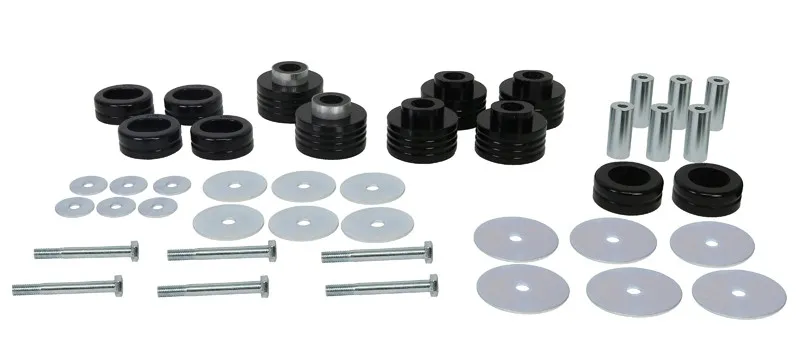
Body Mount Bushing Kit to Suit Jeep Wrangler TJ
Pros and Cons of a Body Mount Chop
The benefits are clear for anyone running large tires off-road:
- No more rubbing at full lock: You keep full steering travel instead of fitting limit straps or trimming the tire.
- Bigger tire options: The chop opens up sizes that would otherwise hit the bracket.
- Cleaner wheel well: Less protruding metal for tires and trail debris to catch.
There are downsides worth weighing before any cutting starts. The modification is permanent, it needs quality welding, and some owners are uneasy about altering a factory support point. With very large tires the firewall itself can still rub, which may need additional bodywork. Bolts on relocated mounts should be rechecked after the first week or two of driving.
What a Body Mount Chop Means for Your Other Body Mounts
Any time the front cab mount is cut back or moved, the way the body sits on the frame changes. The remaining mounts carry the load, and on a relocation the new position needs its own bushing. If your factory rubber is already cracked or compressed, the cab can sit unevenly and the worn positions get loaded even harder.
That makes the chop or relocation the ideal time to inspect the remaining cab mounts, check every body mount bushing and replace tired rubber with polyurethane. Our body mount bushings resist the compression set and cracking that wear out factory rubber, which matters even more on trucks that see trail flex, heavy loads and big tires. If you see clunks or squeaks already, our list of bad body mount symptoms will help you confirm it.
Raising the body is another way people clear bigger tires, and it has its own effect on the mounts. Our guide to body lifts and body mounts covers that option in detail.
FAQs
Looking for more information about body mount chops? Below we answer the most commonly asked questions
What is a body mount chop on a 4Runner?
What is a cab mount chop on a Tacoma?
Is a body mount chop safe?
What tire size needs a body mount chop?
Should I replace body mount bushings during a body mount chop?
Can I reverse a body mount chop?
Bigger tires put more demand on every mount under your cab. Check the full range of body mount bushings for your vehicle, and our support team can help confirm the right set.


