
 US
 Australia
 United Kingdom
 Europe
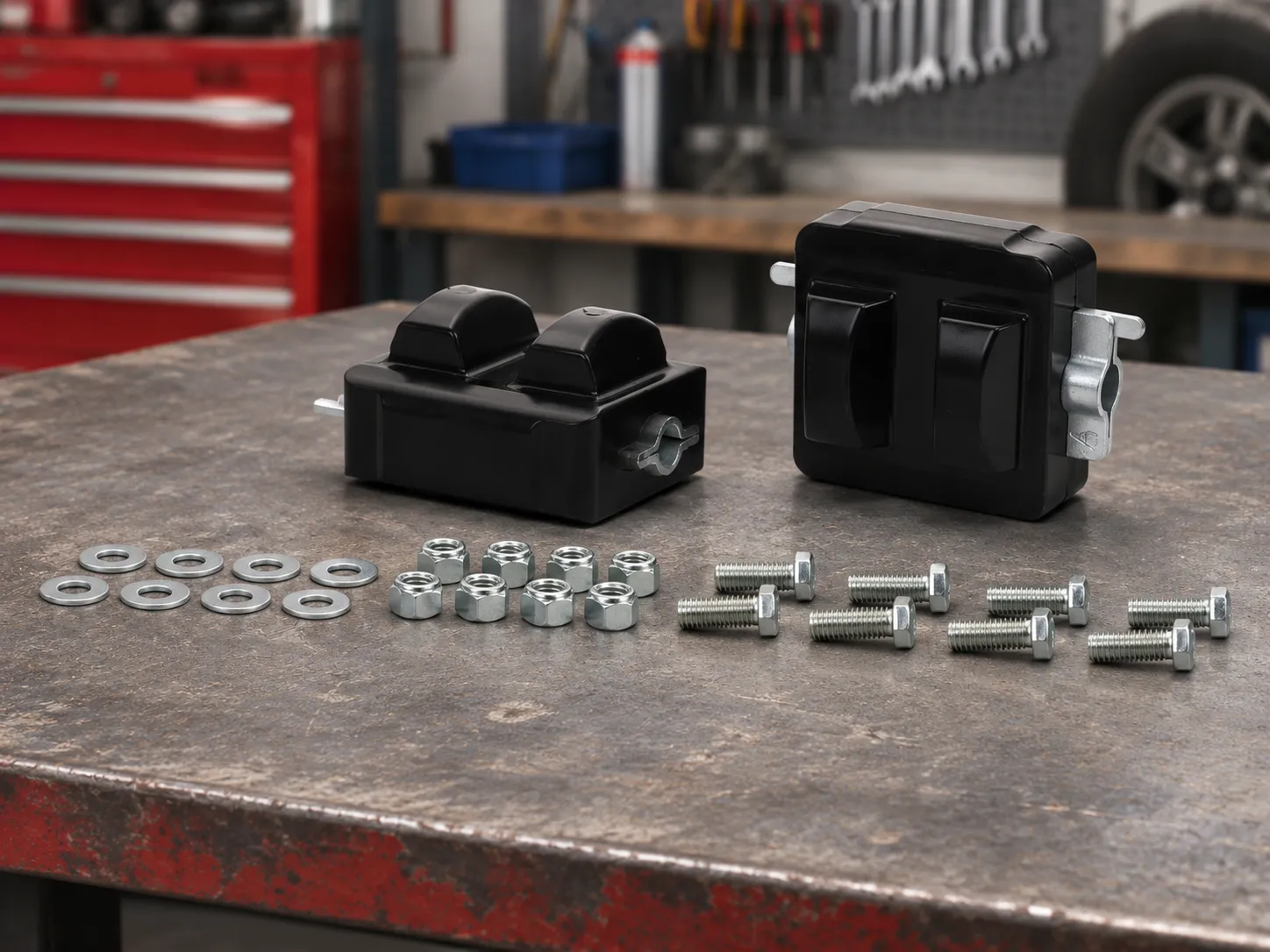

Most rubber motor mounts last at least five to seven years, according to SlashGear, though heat, oil leaks, hard driving, towing and engine modifications can wear them out much sooner. No fixed mileage interval applies to every vehicle. Inspect the mounts at regular services and replace worn engine mounts when vibration, thumps or visible cracks appear.
Engine mounts are one of those parts most people never think about until the vehicle starts shaking at a stoplight. Because they wear slowly, it is hard to know when they are near the end. So how long do motor mounts last, what shortens their life and how long can you keep driving on worn ones? Here is the honest answer, along with how our polyurethane engine mount bushings help them go the distance.
Typical Motor Mount Lifespan
SlashGear reports that most rubber engine mounts last at least five to seven years before they wear out. Other mount types last longer or shorter depending on their materials and how the vehicle is used. Climate, maintenance and driving style all play a part, and hard driving or heavy modifications can shorten that window.
Notice that the measure is years as much as miles. Rubber ages even when the vehicle sits, because heat cycling and ozone harden it over time. A low-mileage vehicle that is ten years old can still have worn engine mounts.
What Wears Out Motor Mounts Faster?
|
Factor |
Why it shortens mount life |
|
Engine heat |
Repeated heat cycles harden and crack rubber |
|
Oil and coolant leaks |
Petroleum products soften and swell rubber, causing it to tear |
|
High torque engines |
V8s, turbocharged engines and diesels twist the mounts harder |
|
Hard launches and aggressive driving |
Sudden torque loads stretch the mount cushion |
|
Towing and heavy loads |
More torque reaction on every pull away |
|
Engine swaps and power upgrades |
More power than the original mounts were designed for |
|
Rough roads and potholes |
Repeated shock loads on the mounts |
Signs Your Worn Motor Mounts Are Near the End
Worn motor mounts give plenty of warning if you know what to look for. Extra vibration at idle in drive, a thump when shifting between drive and reverse, and a clunk when accelerating hard are the classic early signs. Under the hood, look for cracked, sagging or oil-soaked rubber and rub marks where the engine has moved further than it should.
Our full list of bad motor mount symptoms explains each warning sign in detail. Catching them early lets you plan the repair rather than react to a failure.
Can You Drive With a Bad Motor Mount?
You can usually keep driving with a mildly worn mount for a short time, but it is not something to ignore. As one mount loses its cushion, the others carry more load and wear faster. The engine's extra movement can stretch hoses, pull on wiring, crack exhaust parts and strain driveline components.
A completely broken mount is more urgent, especially if the engine visibly shifts or hits nearby parts. In that case, drive gently and book the repair as soon as possible. Our guide on how to check motor mounts helps you judge how serious the wear is.
How to Make Motor Mounts Last Longer
A few habits help any engine mount reach the upper end of its lifespan:
- Fix oil leaks promptly: Oil dripping onto rubber mounts softens and destroys them.
- Avoid harsh launches: Smooth acceleration reduces the peak torque load on each mount.
- Inspect at every service: Ask for the mounts to be checked whenever the vehicle is on a lift.
- Replace failed mounts quickly: A single failed mount overloads the rest of the set.
- Upgrade the material: Polyurethane resists heat, oil and torque reaction far better than rubber.
Our polyurethane insert kits and complete mount sets are built for the conditions that wear rubber out fastest, including diesel, V8 and turbo applications. Warranties range from 3 years to limited lifetime depending on the product, and installation guides are available for most of the range.
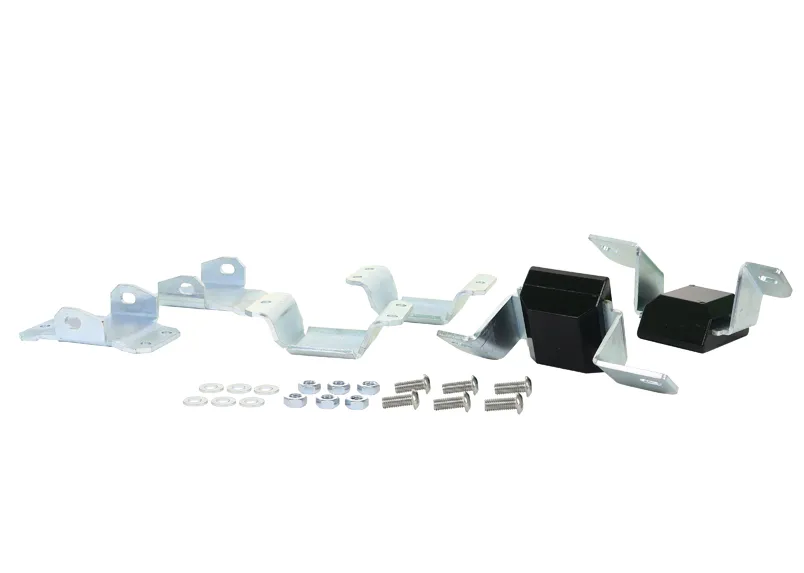
Motor Mount Set - Small Block V8 Only
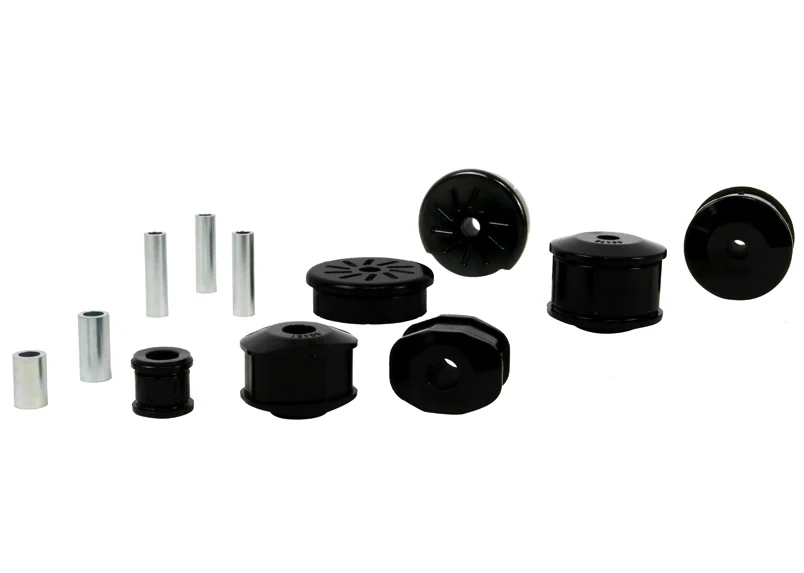
Motor Mount Inserts - 4 Mount Set
FAQs
Looking for more information about engine mount lifespan? Below we answer the most commonly asked questions
How long do engine mounts last?
How many miles do motor mounts last?
Can you drive with a bad motor mount?
Do polyurethane motor mounts last longer than rubber?
Should I replace motor mounts at a certain age?
Do oil leaks damage motor mounts?
Choose engine mounts that keep up with your engine for longer. See our full range of engine mount bushings, from quick-fit inserts to complete engine and transmission mount sets.


