
 US
 Australia
 United Kingdom
 Europe
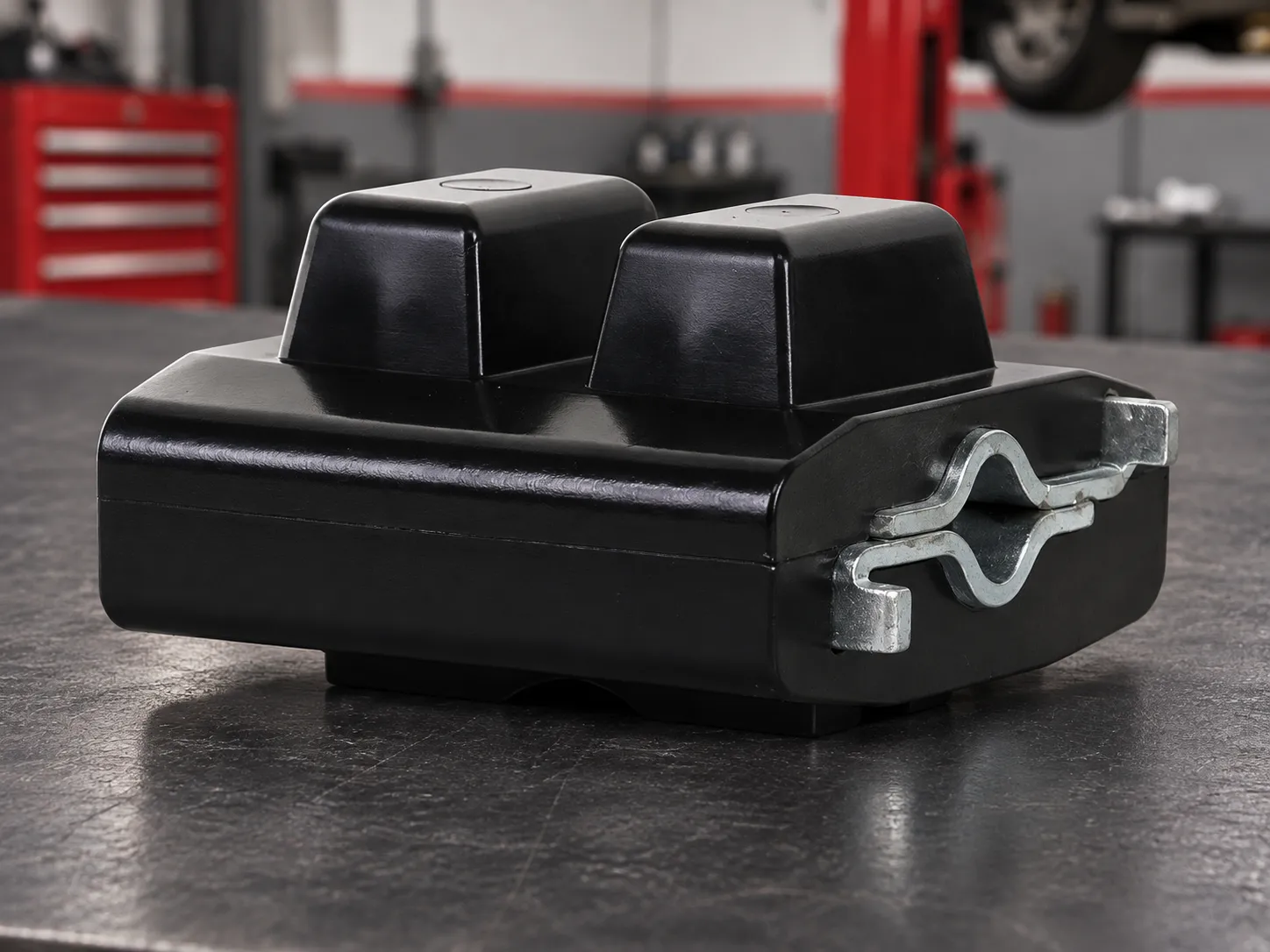

Motor mount inserts are polyurethane pieces that fit into the voids or shell of an existing engine mount, firming it up and replacing worn rubber without removing the whole mount. They reduce engine movement, cut the thump when shifting and resist heat and oil. On applicable platforms our engine mount inserts install in under an hour.
Replacing a complete engine mount means supporting the engine, unbolting brackets and sometimes removing other parts to reach it. Motor mount inserts offer a quicker route on many vehicles. They are popular with diesel truck owners, V8 drivers and anyone whose rubber mounts keep tearing. Here is how they work, when they suit your vehicle and how they fit into our range of engine mount bushings.
What Are Motor Mount Inserts?
Many factory engine mounts are built with voids, gaps molded into the rubber that make the mount softer and quieter. Those voids also let the engine move further under torque, and the thin rubber around them is often where cracks and tears start. A motor mount insert fills those voids with polyurethane, or replaces the worn cushion inside the mount's metal shell.
The result is a mount that resists engine movement much more firmly while still cushioning vibration. The original brackets and shell stay on the vehicle, so the factory mounting points and engine position are retained.
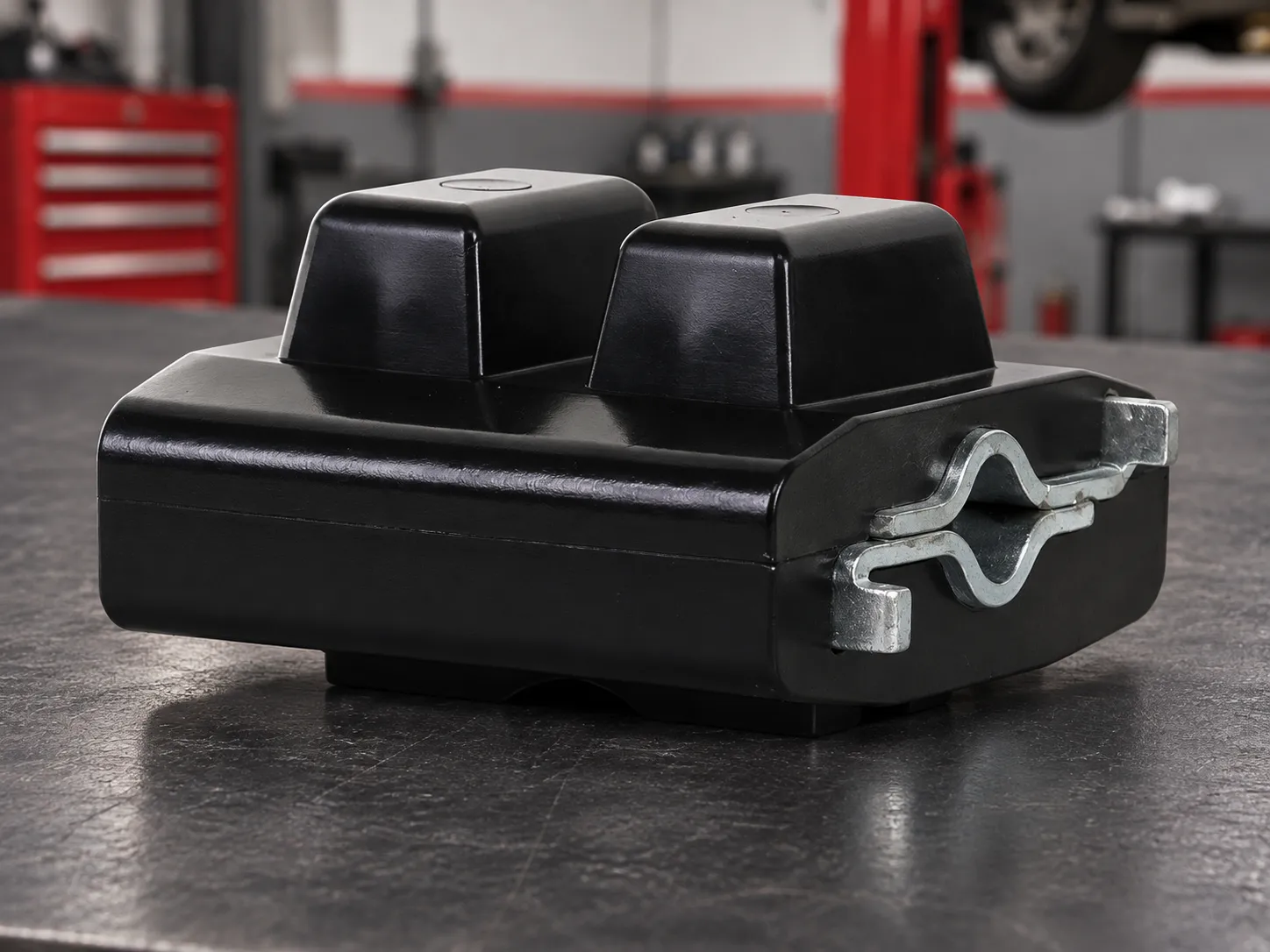
Motor Mount Inserts
Types of Engine Mount Inserts in Our Range
|
Insert type |
Where it fits |
Typical use |
|
Motor mount insert bushings |
Into the voids of existing engine mounts |
Passenger and performance platforms |
|
Diesel motor mount inserts |
Diesel engine mounts, including clamshell designs |
High-torque diesel trucks |
|
Front and rear motor mount inserts |
Specific front or rear mount positions |
Platforms with separate front and rear mounts |
|
Engine mount rear insert bushings |
The rear mount shell, without full mount removal |
Applicable performance and passenger vehicles |
|
Four-mount insert sets |
Every mount position on the vehicle |
Complete renewal in one kit |
|
Manual transmission mount inserts |
Transmission mount on manual gearbox models |
Reducing shift-related drivetrain movement |
|
Torque arm insert bushings |
Engine torque arms and struts |
Controlling engine rock |
Benefits of Motor Mount Inserts
Inserts are one of the most cost-effective drivetrain mount repairs available. Because the shell stays in place, you avoid much of the labor of a full mount replacement, and many insert kits go in without removing the mount at all. That keeps the job short and the bill low.
Inserts also improve on the original rubber design. Polyurethane resists heat, oil and stretching far better than rubber, so the insert controls engine rock under acceleration and the clunk when shifting between drive and reverse. On diesel, V8 and turbocharged applications, where torque reaction is strongest, the difference is especially noticeable.
When Inserts Are Not the Right Fix
Inserts rely on the existing mount being structurally sound. If the metal shell is cracked, the brackets are bent or corroded, or the rubber has completely separated from the metal, a complete mount is the better choice. Inserts are designed for rubber mounts with the right void shape, so they are not a fit for every hydraulic or active mount.
If you are unsure what condition your mounts are in, our guide on how to check motor mounts explains the inspection. For vehicles that need a complete replacement, our complete engine and transmission mount sets take up to about two hours to install.
How to Replace Motor Mounts With Inserts
The exact steps depend on the platform, so always follow the installation guide for your kit. The general process on most platforms looks like this:
- Support the engine: Where the mount needs unloading, use a proper engine support, never a jack alone, and keep hands clear of the mount.
- Clean the mount: Remove oil, dirt and any loose rubber from the voids or shell.
- Fit the inserts: Press or slide the polyurethane inserts into position as the guide shows.
- Reassemble and torque: Refit any hardware and tighten to the factory specification.
- Test drive: Check for smooth engagement into drive and reverse and recheck the hardware after a short period.
How long does it take to replace motor mounts this way? On applicable platforms, our insert kits install in under an hour, while complete mount sets requiring engine support and full mount removal take up to about two hours.
FAQs
Looking for more information about motor mount inserts? Below we answer the most commonly asked questions
Do motor mount inserts work?
Do engine mount inserts increase vibration?
Can I install motor mount inserts myself?
Are motor mount inserts cheaper than replacing mounts?
Can I use inserts on a torn motor mount?
How long does it take to replace motor mounts?
Get a firmer, longer-lasting engine mount without the full replacement bill. Explore our engine mount bushings, including insert kits for diesel, V8 and performance engines.


