
 US
 Australia
 United Kingdom
 Europe
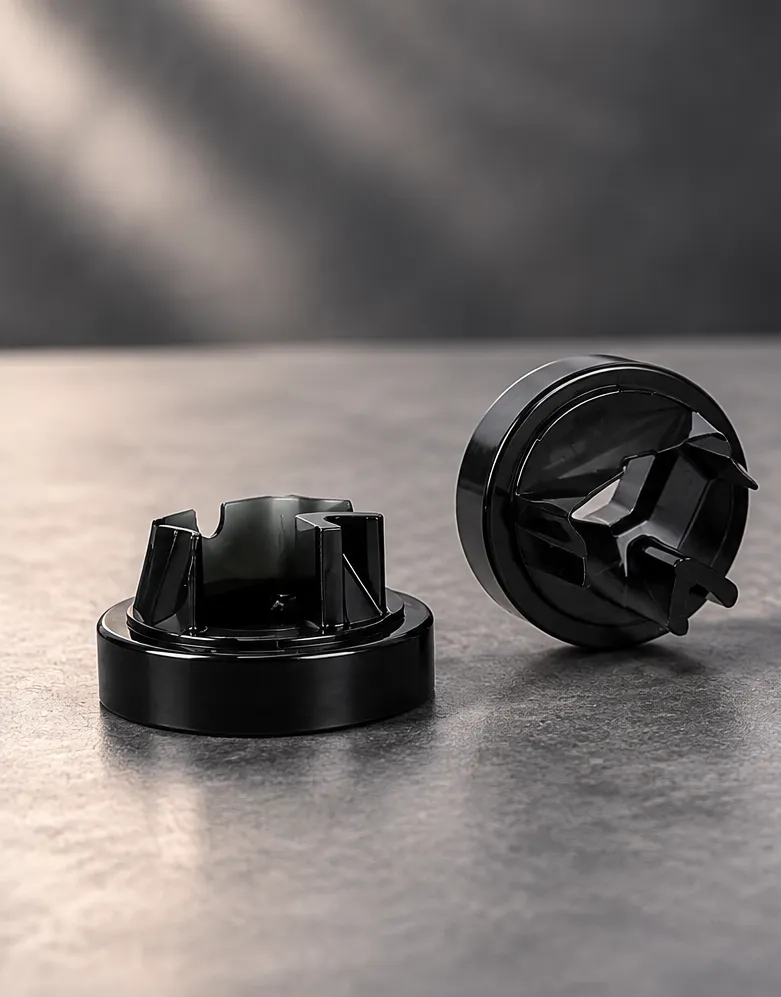

In the polyurethane vs rubber motor mounts comparison, polyurethane controls engine movement better and lasts longer, resisting heat, oil and torque reaction that tear rubber apart. Rubber and hydraulic mounts isolate vibration well when new but wear out sooner. Polyurethane suits V8s, diesels, turbo engines, towing vehicles and high-mileage daily drivers that keep breaking rubber mounts.
If you have replaced a rubber engine mount before, there is a good chance you will be replacing it again. That is why so many owners look at polyurethane when their mounts fail. Each material changes how the engine feels, how much vibration reaches the cabin and how long the repair lasts. Here is a straight comparison, and why our engine mount bushings use polyurethane.
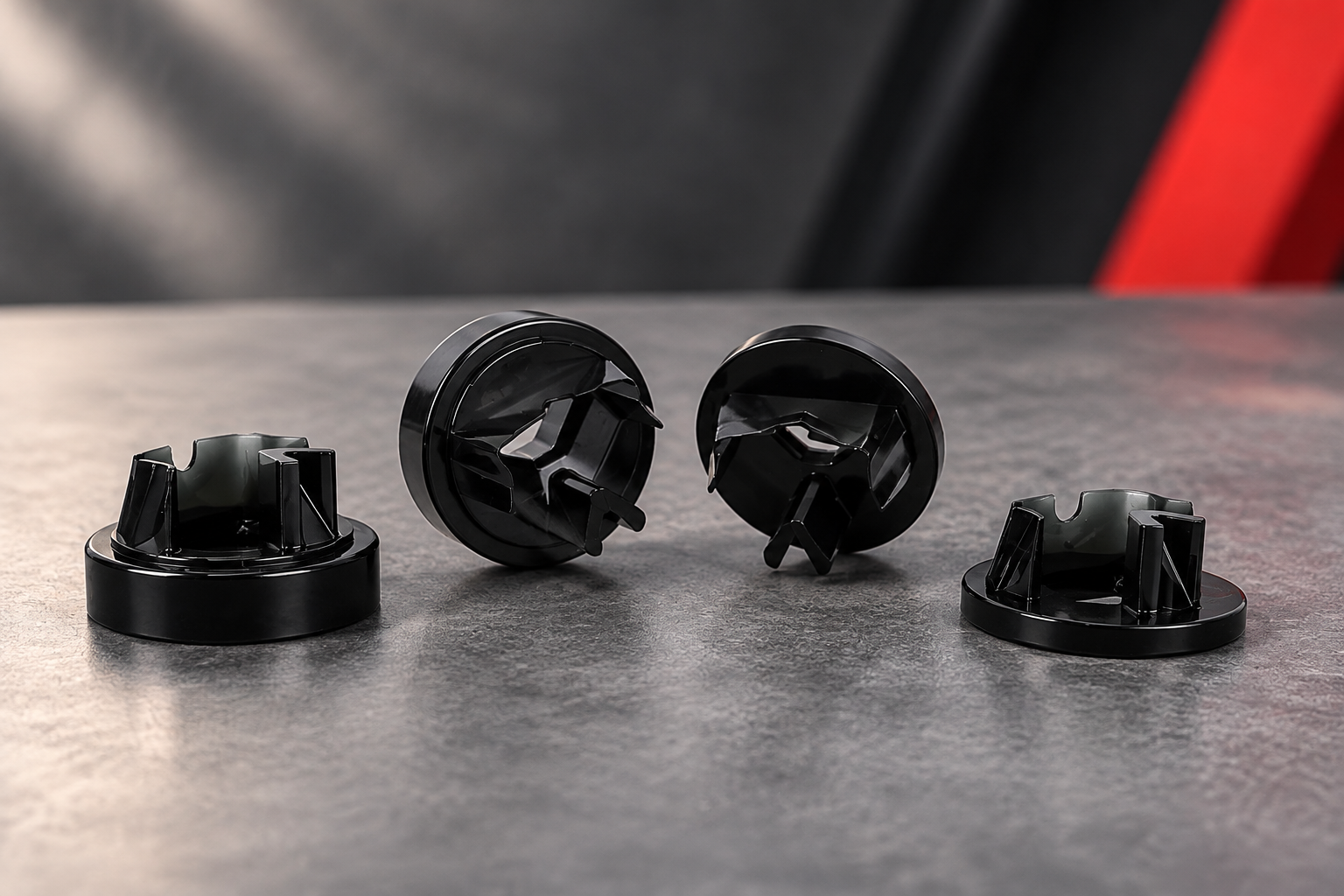
Rubber Engine Mounts: Smooth but Short-Lived
Rubber motor mounts are fitted to most vehicles from the factory. Soft rubber bonded between steel brackets is very good at absorbing engine vibration, which keeps the cabin smooth at idle. It is also inexpensive to produce, which makes it the default choice for automakers.
The weakness is durability under the conditions engine mounts face every day. Heat from the engine bay hardens the rubber, oil and coolant leaks soften and swell it, and torque reaction stretches it every time you accelerate. Eventually the rubber cracks, tears from its bracket or collapses, and the engine starts to move, thump and vibrate.
Hydraulic Motor Mounts: Refined but Complex
Hydraulic motor mounts add a fluid-filled chamber to a rubber mount. The fluid damps specific vibration frequencies, giving very smooth idle quality, which is why they are common on many modern cars and SUVs. Some premium vehicles go further with active mounts that change damping electronically.
The trade-off with hydraulic mounts is complexity and cost. They mounts can leak, and once the fluid escapes they lose their damping and wear quickly. Replacement hydraulic and active mounts are also more expensive than simple designs.
Polyurethane Motor Mounts: Control and Durability
Polyurethane is tougher and more resilient than rubber. It resists the heat, oil and stretching that destroy rubber mounts, so it keeps its shape and support far longer. Because it deflects less, it also holds the engine more firmly under torque, which reduces the thump when shifting and the rock when accelerating.
Our polyurethane formulations are engineered to control engine movement while still isolating the vibration you notice most. On some engines, particularly smaller four-cylinder units, you may feel a little more vibration at idle than with brand-new rubber. On V8s, diesels and turbocharged engines, most drivers notice a more connected, controlled feel with a much longer service life.
Motor Mount Materials Compared
|
What matters |
Rubber motor mounts |
Hydraulic motor mounts |
Nolathane polyurethane mounts |
|
Idle smoothness when new |
High |
Very high |
Good, slightly firmer on some engines |
|
Control of engine movement |
Moderate, decreases with wear |
Moderate |
High and consistent |
|
Resistance to heat and oil |
Poor |
Poor |
Excellent |
|
Common failure mode |
Cracking, tearing, collapse |
Fluid leaks, then wear |
Long service life |
|
Suited to high torque |
Wears quickly |
Wears quickly |
Built for it |
|
Warranty |
Varies by supplier |
Varies by supplier |
3 years to limited lifetime, depending on product |
Who Should Choose Polyurethane Motor Mounts?
- Diesel trucks: High torque and heavy loads tear rubber mounts, and our diesel insert kits are built for it.
- V8 and muscle cars: Polyurethane reduces engine rock and the thump when launching or shifting.
- Turbocharged engines: Sharp torque delivery is held in check more firmly by polyurethane.
- Engine swaps: LS conversions and other swaps benefit from firm, durable mounts.
- Repeat failures: If rubber mounts keep failing, polyurethane breaks the cycle.
Our range includes insert kits that fit the existing mount shell, complete mount sets and LS conversion sets. If you are planning a swap, see our guide to LS swap motor mounts, and for a budget-friendly upgrade read about motor mount inserts.
FAQs
Looking for more information about polyurethane motor mounts? Below we answer the most commonly asked questions
Are polyurethane motor mounts better than rubber?
Do polyurethane motor mounts cause more vibration?
What are hydraulic motor mounts?
Are polyurethane motor mounts good for daily drivers?
Are rubber engine mounts worth replacing with rubber again?
Can I mix polyurethane and rubber motor mounts?
Choose engine mounts that stand up to heat, oil and torque. Find polyurethane engine mount bushings for your engine, from insert kits to complete sets.


