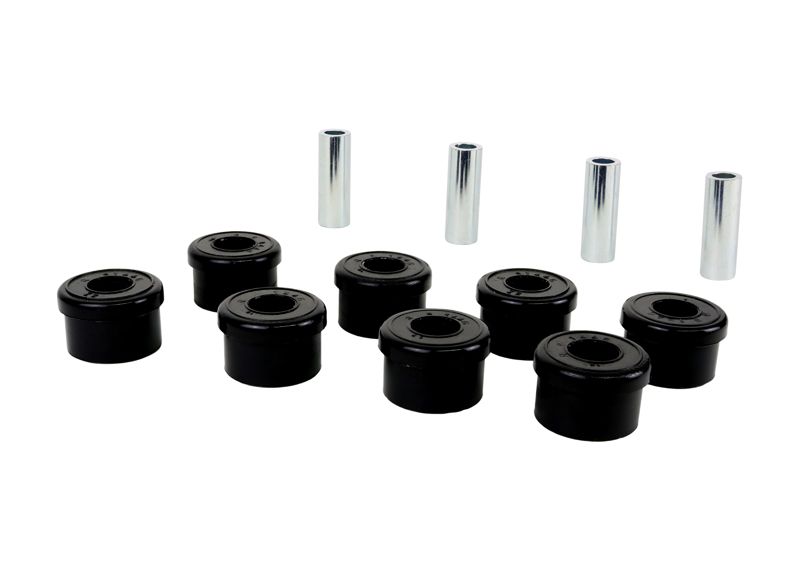
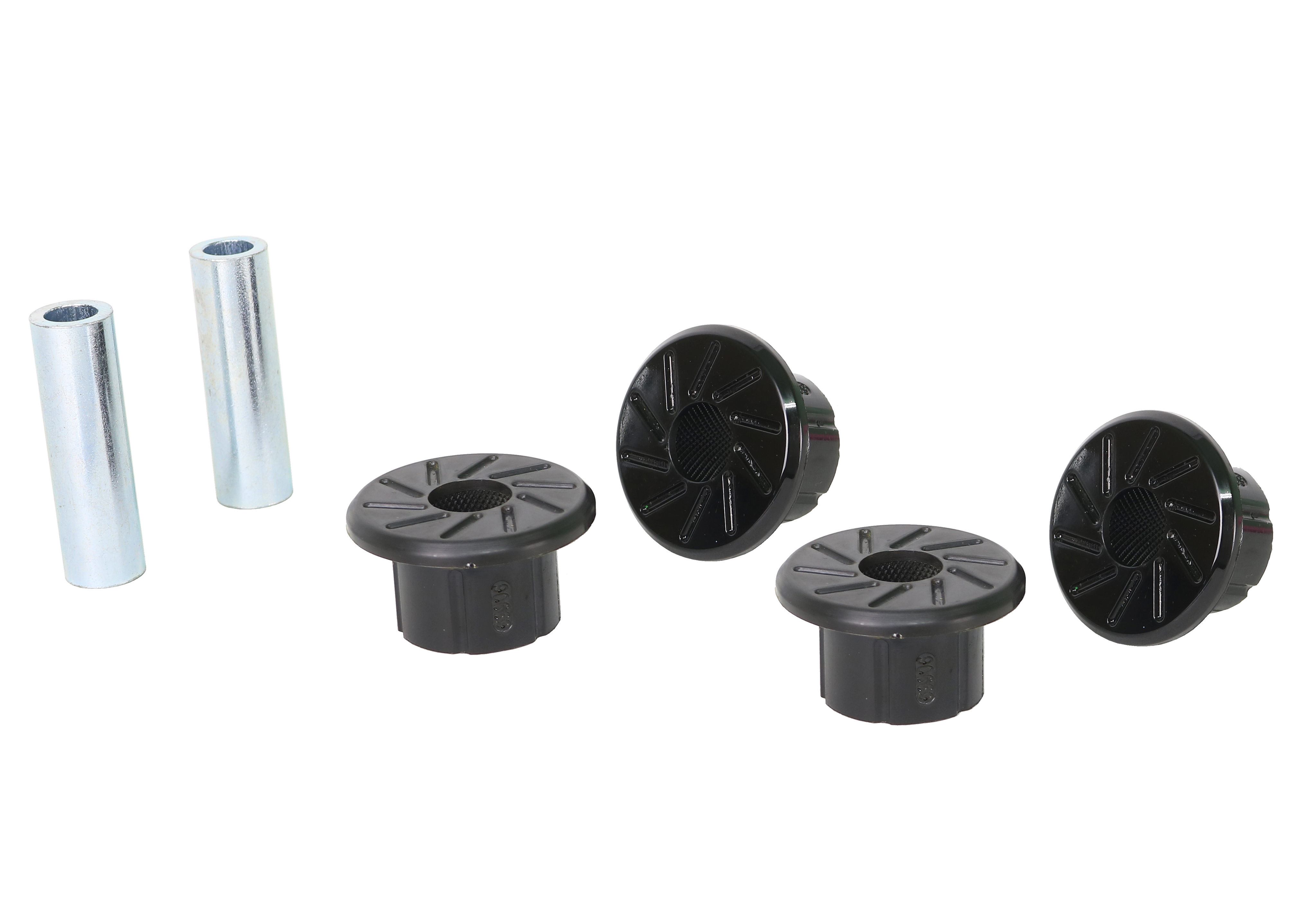
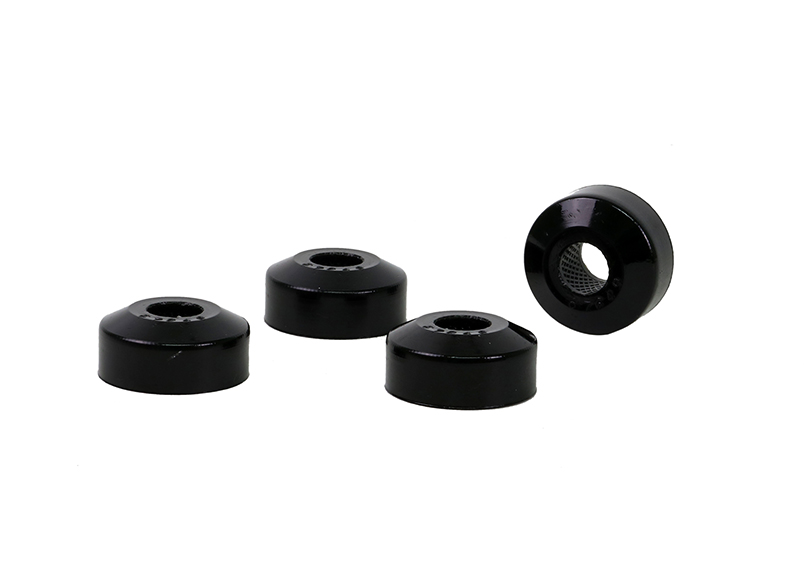
Nolathane polyurethane rods are solid lengths of the same material used in our suspension bushings, supplied as raw stock for you to machine. When a bushing, spacer, or isolator simply isn?t made anymore, or never existed for your build, polyurethane rod stock lets you turn your own part on a lathe instead of settling for something that almost f... Read more
Nolathane polyurethane rods are solid lengths of the same material used in our suspension bushings, supplied as raw stock for you to machine. When a bushing, spacer, or isolator simply isn?t made anymore, or never existed for your build, polyurethane rod stock lets you turn your own part on a lathe instead of settling for something that almost fits.
Fabricators, restorers, and home mechanics use urethane rod to make one-off parts for classic cars, custom trucks and pickups, race builds, and prototypes. Each listing shows the outside diameter, length, and durometer of the rod.
Polyurethane Rod as Bushing Material
Most suspension bushings are bought ready to fit. Sometimes that isn?t an option. The original part may be discontinued, the vehicle may be decades old, or the suspension may be custom built with mounts no catalog covers.
That?s where polyurethane bushing material earns its place. A length of round rod can be turned down to the exact outside diameter of a housing, bored to suit a sleeve, and cut to length, giving you a bushing built around the measurements you actually have.
Common projects include:
Replacement bushings for obsolete or hard-to-find positions on older vehicles
Spacers and isolators for custom brackets, mounts, and fabricated suspension
Prototype parts, made and tested before a design is finalized
Restoration parts where originals have perished and no reproduction exists
Material Properties of Polyurethane Rod Stock
Polyurethane sits between rubber and hard plastic, and that middle ground is what makes it useful for suspension work.
It has excellent abrasion resistance, so a pivot made from it wears slowly even with grit and water around it. It offers high load-bearing capability and good tensile strength, so it holds its shape under the weight of a loaded truck rather than squashing out of a housing. It resists oil, grease, ozone, and weathering, which finish off rubber over time.
Polyurethane also has strong elasticity and memory. After being compressed, it returns to its original shape instead of taking a permanent set. In a bushing, that means the part keeps locating the component the way it did when new, long after rubber would have flattened.
Understanding Durometer
Durometer is the measure of how hard a material is. For polyurethane bushings it?s given on the Shore A scale, where a higher number means a harder, stiffer material.
Hardness changes how a finished part behaves:
Softer grades absorb more vibration and road noise, giving a more comfortable feel, but they allow more movement under load
Harder grades locate components more precisely and resist deflection, but pass more vibration into the vehicle
The right choice depends on the job. A body or cab isolator usually benefits from a softer grade, while a heavily loaded pivot on a towing vehicle or a performance car calls for something firmer. If you?re replacing an existing part, match the hardness to the position rather than simply choosing the hardest option available. Each listing shows the durometer of the rod.
Choosing Rod Diameter and Length
Picking the right stock before you start saves material and machining time. Each listing shows the outside diameter, length, and durometer so you can compare against your finished part.
Outside Diameter and Machining Allowance
Choose a rod with an outside diameter larger than your finished part. That extra material is your machining allowance, letting you turn the surface down to a clean, round, accurate finish. Starting with stock that?s too close to the final size leaves no room to correct for any variation in the raw rod.
Length for Single or Multiple Parts
Work out how long each finished part needs to be, add a little for facing both ends and for the parting cut, then multiply by the number of parts. A longer rod can supply a full set of bushings for one vehicle, or spares for future jobs.
Matching the Housing Bore and Sleeve
Measure the housing the bushing will press into and the sleeve or bolt it will carry. The finished outside diameter needs a slight interference fit in the housing, and the bore needs to suit your sleeve. Measuring both before you cut means the part is designed around real dimensions, not guesses.
Machining Polyurethane Rod
Polyurethane machines well, but it behaves differently from metal or rigid plastic. It?s flexible, it can grab a dull tool, and it expands with heat.
A few habits make the job easier:
Use sharp tooling with a positive rake, so the tool slices the material cleanly instead of pushing it
Keep heat down with moderate speeds and steady feeds, because warm polyurethane can smear and distort
Support the work close to the chuck, since a long, flexible rod can deflect away from the tool
Let the part cool to room temperature before taking final measurements
When boring for a steel sleeve, aim for a fit snug enough to keep the sleeve centered while still allowing it to turn if the design calls for a pivoting sleeve. Take light final passes on both the outside and the bore so the dimensions finish where you planned.
Fitting Custom Polyurethane Parts
A carefully machined part still needs to be fitted properly to last. Use a steel sleeve or crush tube where the design calls for one, so the fastener clamps against metal rather than crushing the polyurethane. Grease the bushing with a polyurethane-safe lubricant, because ordinary petroleum-based greases can attack the material over time.
Tighten suspension pivots with the vehicle on its wheels at ride height, so the bushing isn?t preloaded in a twisted position. Where the new part changes suspension geometry, have a wheel alignment carried out afterward. For any suspension part, qualified fitting is the safest route.
Limitations and Trade-Offs
Polyurethane rod is versatile, but it has limits worth knowing before you start:
The result depends on the accuracy of the machining and measuring
A machined solid part can?t replicate bonded or voided factory designs that use rubber and steel layers
Polyurethane transmits slightly more noise and vibration than rubber
It isn?t suitable for safety-critical steering or brake components without proper engineering
A finished custom part is the fabricator?s responsibility, including its fit and suitability
Compliance and Insurance
Custom-made suspension parts must still meet the inspection requirements of the state where the vehicle is registered. Check the rules before fitting fabricated components, and tell your insurance company about any modifications.
Support for Fabricators
Choosing a hardness and diameter can be the hardest part of a custom job. Our local support team can help you work out which durometer and rod size suit the part you?re planning to make.
Shop Polyurethane Rods
Browse polyurethane rods by diameter, length, and durometer, and order online with fast shipping.