US
 Australia
 United Kingdom
 Europe
Spare Tire Carrier Mount
IMPROVE GRIP, HANDLING & PERFORMANCE.
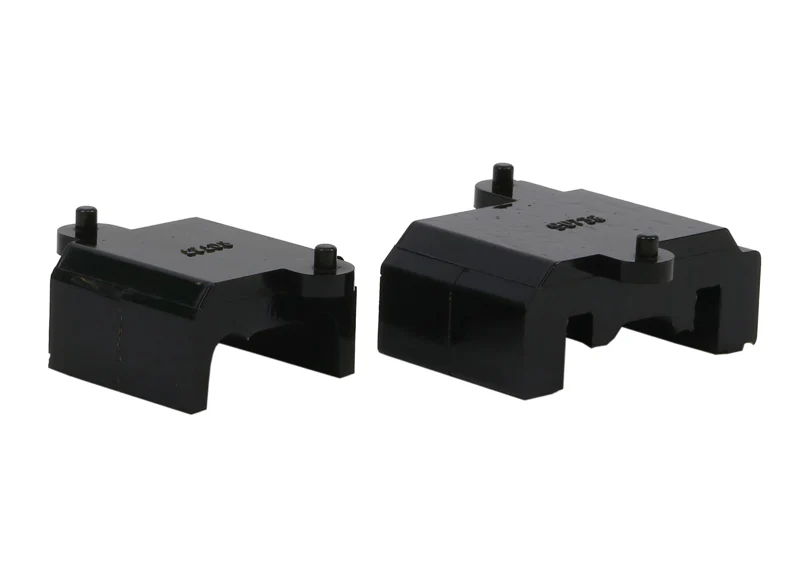
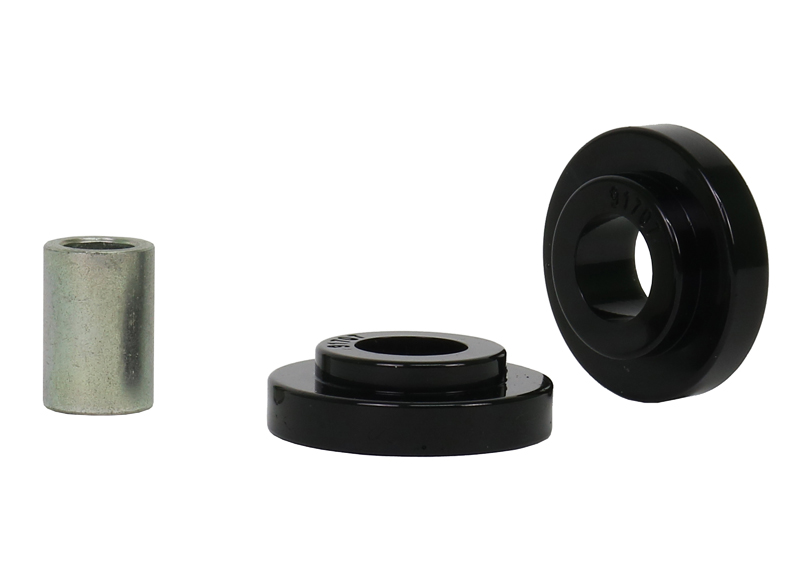
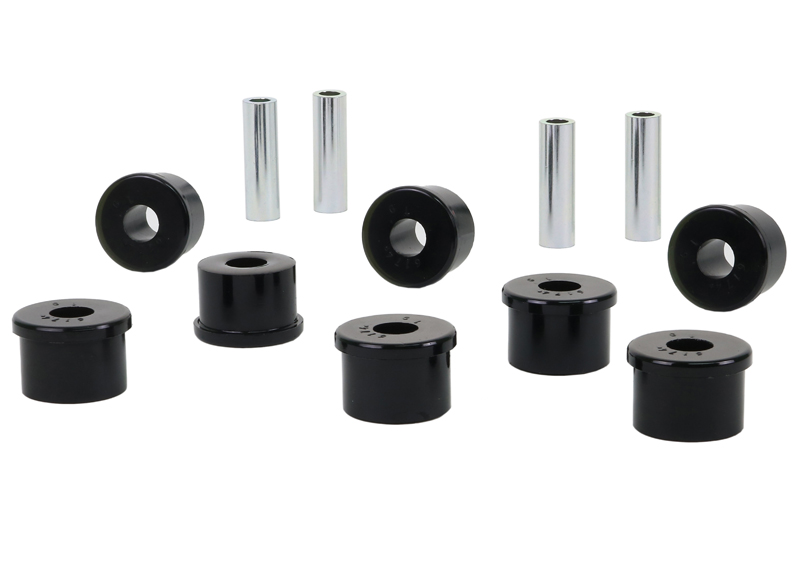
Nolathane spare tire carrier mounts are polyurethane spare tire carrier bushings, bump stops and isolators for rear-mounted spares on 4x4s and SUVs. They cushion and locate the spare tire and its carrier, so the spare doesn?t rattle, sag or put extra load on the rear door hinges. They suit factory rear door carriers, tailgate-mounted spares and ... Read more
Nolathane spare tire carrier mounts are polyurethane spare tire carrier bushings, bump stops and isolators for rear-mounted spares on 4x4s and SUVs. They cushion and locate the spare tire and its carrier, so the spare doesn?t rattle, sag or put extra load on the rear door hinges. They suit factory rear door carriers, tailgate-mounted spares and swing-out carriers.
A spare tire mounted on the back of a vehicle is a heavy weight hanging out past the body, and every bump makes it move. Over time, the original rubber bushings and pads compress, crack or go missing, and that small amount of movement turns into rattles, knocks and a door that no longer closes properly. Replacing the worn parts restores a firm, quiet mount. Each listing shows the position and fitment.
Where Spare Tire Carrier Bushings Sit
A rear-mounted spare tire is held by several small parts, each doing a different job. Each listing shows the positions.
Carrier Hinge and Pivot Bushings
On a swing-out carrier, the whole carrier pivots on a hinge, separate from the rear door or tailgate. The hinge or pivot bushings let the carrier swing open smoothly while holding it tight against side-to-side play. When these bushings wear, the carrier develops free play at the hinge, which shows up as a knock every time the vehicle hits a bump.
Bump Stops and Rest Pads
When a carrier or a door-mounted spare is closed, it rests against the body or bumper on small bump stops or rest pads. These take the weight of the spare when it?s closed, stop metal-on-metal contact, and hold the carrier firmly in place. Worn or missing pads let the carrier bounce on its stops, which is one of the most common causes of a rattling spare tire carrier.
Tire Mount Isolators
Where the spare tire bolts to the carrier or door, isolators sit between the wheel and the mount. They stop the wheel from vibrating against the metal, protect the paint, and help keep the wheel nuts tight.
Why Spare Tire Carriers Rattle and Sag
Rattles and sag almost always come from the same few causes.
Leverage from the spare?s weight. A full-size spare and wheel is heavy, and it sits well behind the door hinges or the carrier pivot. That distance turns the spare?s weight into leverage. Every time the vehicle hits a bump, the spare pulls on the hinges, the latch and the pads. Over thousands of miles, that leverage gradually wears the bushings and lets the door or carrier sag.
Worn or compressed rubber. Factory pads and bushings are usually rubber. Under constant load and vibration, rubber compresses, takes a set, and eventually cracks. Once it has compressed, it no longer holds the carrier firmly against its stops, and the carrier can move.
Loose latches. If the latch on a swing-out carrier or rear door has worn or loosened, the carrier can?t be pulled tight against its pads. Even new bushings won?t stop the rattle if the latch isn?t holding.
Corrugated roads and off-road vibration. Washboard dirt roads and rough trails are hard on spare tire carriers. The constant high-frequency vibration works every bushing and pad, and accelerates wear far faster than highway driving.
Heavier Spares and Off-Road Loads
Many 4x4 owners upgrade to larger tires, and the spare goes up in size to match. A larger tire and wheel adds weight, and because it often sits further out from the door, it adds leverage too. It also has more mass to bounce, so the carrier sees higher loads every time the vehicle hits a bump.
Firmer polyurethane mounts help reduce that movement. They hold the carrier and the spare more tightly, so there?s less bounce to wear the hinges and latches.
Stay within the load limits of the carrier and the door. Bushings help control movement, but they can?t make a factory door carrier strong enough for a spare it wasn?t designed to hold. If you?re running a much larger spare, check whether the carrier is rated for it.
Signs of Worn Carrier Bushings
Watch for these signs:
- A rattle or knock from the rear over bumps, especially on rough roads
- The spare or door sitting low, or out of line with the body
- A door that?s hard to latch, or that has to be slammed to close
- Paint wear where the tire, wheel or carrier rubs against the body
- Cracked, flattened or missing rubber pads on the bump stops
- Free play at the carrier hinge when you rock the spare by hand
Grab the spare tire and rock it firmly. A healthy mount moves with the vehicle. If you can feel the carrier or door shifting on its hinges or stops, the bushings and pads need attention.
Polyurethane and Rubber Carrier Bushings
Rubber is soft and quiet when new, but it doesn?t last well in this position. Constant load and vibration compress it, and exposure to sunlight, ozone and weather makes it crack. Once rubber pads have compressed, the carrier is free to move.
Nolathane polyurethane bushings hold their shape under load, so they keep the carrier firmly located for longer. Polyurethane also resists oil, ozone and weathering, which matters on a part that?s exposed to sun, rain and road grime.
Polyurethane is firmer than rubber. That?s what helps it control the spare?s movement, but it can transmit a little more noise in some positions.
Choosing Spare Tire Carrier Bushings
Each listing shows the position and fitment.
Vehicle and Carrier Type
Carrier designs vary. A factory rear door carrier, a tailgate-mounted spare and an aftermarket swing-out carrier all use different bushings and pads. Check the listing to make sure the parts suit your vehicle and carrier type.
Position on the Carrier
Choose the parts for the position that?s worn: the hinge or pivot, the bump stops and rest pads, or the tire mount. If one position is worn, check the others, because they share the same load.
Single Bushing or Full Set
If only one pad is missing or damaged, you can replace it on its own. If the carrier rattles or sags, replacing every bushing and pad at once gives the most consistent result.
Fitting Spare Tire Carrier Bushings
- Remove the spare tire first. It?s heavy and awkward, so get help to lift it off.
- Support the door or carrier before removing any hinge bolts, so it can?t drop or swing.
- Replace the bushings and pads one position at a time, so the carrier stays aligned.
- Torque all fasteners to specification.
- Check the door or carrier alignment, and make sure it latches cleanly without slamming.
- Refit the spare and check that the wheel nuts are tight.
- Re-check everything after the first drive, and again after the first rough road.
Limitations and Trade-Offs
- New bushings can?t fix a bent carrier, worn door hinges or cracked mounts. Those need repair first.
- Oversized spares may exceed the carrier?s or the door?s design load.
- Firmer mounts may transmit a little more noise.
Compliance and Insurance
Make sure your vehicle meets the inspection requirements of the state where it?s registered. Rules on spare tire position, rear visibility and license plate visibility can apply, especially after fitting a larger spare or a swing-out carrier. Tell your insurance company about any modifications.
Warranty and Support
Nolathane polyurethane bushings and pads carry a lifetime warranty against manufacturing defects in material and workmanship, for the original vehicle. If you need help finding the right parts for your carrier, our local support team can help.
Shop Spare Tire Carrier Mounts
Carrier bushings and pads like these sit in our universal auto parts selection for trucks and SUVs with a rear-mounted spare.
Find the right spare tire carrier bushings and pads for your 4x4 or SUV, and order online with fast shipping. Every part is covered by our fitment guarantee, and easy returns apply if anything isn?t right.
1 item
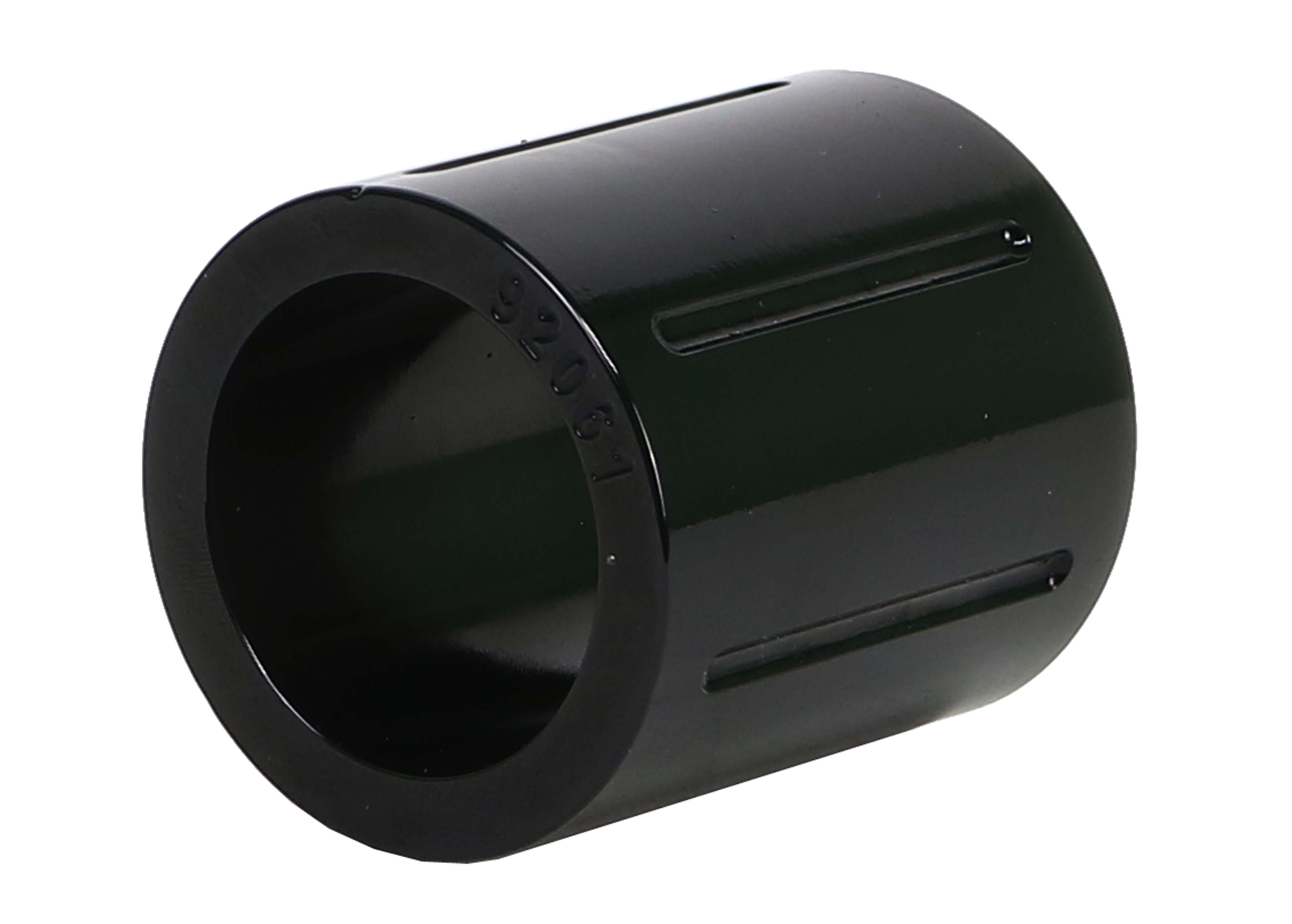 In StockShips within 24hrs.Ships within 24hrs.SKU: REV294.0004
Spare Tire Mount - Latch Bushing
In StockShips within 24hrs.Ships within 24hrs.Qty Required 1$4.87
Your vehicle
Matching vehicles
No match — try selecting it below.
Refine your search
Clear all- Alignment Parts 2
- Camber Bolts 2
- Bushings 2414
- Alignment Pins and Bushings 7
- Axle Bushings 45
- Body Mount Bushings 93
- C-Bushings 6
- Coil Spring Insulators 16
- Coil Spring Spacers 59
- Control Arm Bushings 856
- Differential Bushings 53
- Fifth Wheel Bushing 1
- Lateral Arm Bushings 2
- Leaf Spring Bushings 68
- Leaf Spring Pads 6
- Leaf Spring Shackle Bushing 145
- Polyurethane Rods 9
- Radiator Bushings 3
- Radius Arm Bushings 62
- Shock Bushings 64
- Steering Bushings 87
- Strut Mount Bushing 7
- Strut Rod Bushing 32
- Subframe Bushing 28
- Sway Bar Bushings 525
- Sway Bar Link Bushings 63
- Torsion Bar Bushing 2
- Track Bar Bushings 57
- Trailing Arm Bushing 108
- Transfer Case Bushings 5
- Trunnion Bushing 1
- Watts Link Bushing Kit 2
- Car Accessories 3
- Hood Bumper Stops 2
- Hood Latch Roller 1
- Control Arms 82
- Ball Joint 9
- Control Arm Kit 72
- Control Arm Assembly with Ball Joint 1
- Control Arm Kit - Lower 33
- Control Arm Kit - Upper 9
- Trailing Arm Kits 3
- Radius Arm 1
- Diff Drop Kit 1
- Engine Bushings 55
- Engine Mount Bushings 55
- Exhaust Bushing 8
- Exhaust Mount Bushings 8
- Leveling Kits 8
- Nuts, Bolts & Screws 16
- Brake Hose Bolt 1
- Camber Bolt Kit 5
- Leaf Spring Bolt 8
- Sway Bar Link Washer 1
- Sway Bar & Sway Bar Kits 264
- Sway Bar Bracket 2
- Sway Bar Link 91
- Track Bar 7
- Transmission Parts 28
- Shifter Bushing 8
- Transmission Mount 20
- Universal Auto Parts 74
- Body Hardware 2
- Bushing Grease 1
- Dust Covers 5
- Grease 1
- Lowering Kit 3
- Rod End 7
- Spare Tire Carrier Mount 1
- Universal Bump Stops 53
- Winch Isolator 1
- Workshop Tools 3
- Bushing Press Kit 1
- Floor Jack Handle Clip 1
- Jack Holder Spring 1
No categories match.
Can’t find what you’re looking for?
Our team can help you find the right part — or tell us what was missing so we can improve the site.
Call Us +1 909-476-2860 Give Feedback (opens in a new tab)