US
 Australia
 United Kingdom
 Europe
NOLATHANE Radius Arm
IMPROVE GRIP, HANDLING & PERFORMANCE.
A radius arm runs lengthwise between the axle or lower suspension and the frame, holding the wheel against the forces that try to push it backward under braking and forward under power. On a solid front axle it also controls how far the housing can rotate, which makes it responsible for caster as well as location. How a Radius Arm Suspension Wor... Read more
A radius arm runs lengthwise between the axle or lower suspension and the frame, holding the wheel against the forces that try to push it backward under braking and forward under power.
On a solid front axle it also controls how far the housing can rotate, which makes it responsible for caster as well as location.
How a Radius Arm Suspension Works
The layout is simpler than most front suspensions and that simplicity is why it persists on heavy duty trucks.
Two arms run rearward from the axle housing to brackets on the frame. The axle is bolted rigidly to the arms rather than pivoting on them, so the arms handle fore and aft location and resist the housing twisting under brake torque at the same time. A track bar or panhard rod handles sideways location, and coil springs carry the weight.
What that arrangement gives you is strength and very few wear points, which suits a truck that tows and carries weight. What it costs you is articulation, because the axle cannot twist relative to the frame without the arms themselves flexing, and the arms are not designed to flex much.
On an independent front suspension the same name describes something much smaller. There the radius arm, also called a strut rod or tension rod, runs forward or rearward from the lower control arm to a chassis mount and handles only the fore and aft loads, while the control arm handles lateral location.
Radius Arm vs 4 Link
This comparison comes up constantly on lifted trucks, and the difference is in how the axle is allowed to move.
A radius arm setup bolts the axle rigidly to two arms. When one wheel climbs and the other drops, the axle wants to twist relative to the frame, but the arms cannot allow that without deflecting. The result is limited articulation and considerable stress on the arms, the bushings and the frame brackets.
A 4 link setup uses arms that pivot at both ends, usually with upper and lower arms on each side. The axle can rotate freely relative to the frame, which allows far more articulation and takes the twisting load out of the arms entirely.
For a truck that mostly works on pavement, the radius arm design is perfectly adequate and considerably cheaper to maintain. For a truck built around off road articulation, the 4 link conversion is why those kits exist.
The practical point is that lifting a radius arm truck makes its limitations worse rather than better, because the arms now work at a steeper angle through their range.
Symptoms of a Worn Radius Arm
- Steering that wanders at highway speed and needs constant correction
- Caster shimmy or a shake that comes back through the steering wheel
- Clunking from the front under braking and on take up of drive
- A front end that squirms or moves around when braking from speed
- Tire wear that returns after every alignment
- Caster reading low on the printout with nothing obviously worn
- Bushing material cracked, split or displaced at either end of the arm
- Bent washers at a mounting point, which indicate the joint has been moving
- Elongated bolt holes at the frame bracket
- Visible cracking in the arm itself or in the bracket welds
The braking connection is what separates a radius arm problem from a control arm problem. Anything that shows up when you use the pedal is pointing at the fore and aft location, and on a solid front axle that is the radius arm's job.
Bent washers deserve a mention of their own because almost nobody checks for them. A washer that has deformed tells you the joint has been moving under load rather than being clamped solid, and it usually means more than a bushing needs attention.
Radius Arm Drop Brackets and When You Need Them
Lifting a solid front axle truck rotates the axle housing, which drags caster out with it and leaves the steering wandering at speed.
Radius arm drop brackets lower the frame end mounting point so the arms sit closer to their original angle. That recovers caster, restores some of the suspension travel the lift took away, and reduces the binding that a steeper arm angle introduces.
The trade is ground clearance, since the bracket hangs below the original mounting point, which puts a new low point under the truck exactly where you may not want one.
Drop brackets and correction arms solve overlapping problems and the choice depends on the lift. For a modest lift, an arm with corrected geometry built into it is usually the cleaner answer because nothing hangs lower. For a larger lift, brackets often become necessary because there is more angle to correct than an arm alone can handle.
Neither addresses articulation, which remains a radius arm design limitation regardless of what you bolt on.
Radius Arm Brackets and Frame Mount Cracking
Worth inspecting on any older or hard worked truck, because the frame end takes loads it was never generously specified for.
Because the axle is rigid to the arms, every bit of articulation the suspension attempts is fed into the frame bracket as a twisting load. Add years of that, plus corrosion, plus a lift making the angles worse, and radius arm brackets do crack.
Look for cracks radiating from the bracket welds, elongated bolt holes where the arm has been working against its mounting, and bent washers, which mean the joint has been moving when it should have been clamped solid.
Finding that early matters, because a cracked frame bracket is a welding repair rather than a bolt-on one, and the longer it runs the more of the frame becomes involved.
Radius Arm Suspension on Heavy Duty Trucks
Most radius arm questions in the United States come from Super Duty and heavy duty pickup owners, and the reasons are specific to how those trucks are used.
A truck that tows at capacity puts sustained braking load through the arms, and a truck that carries weight in the bed does the same with more mass behind it. Add unsealed roads and the arms are cycling constantly rather than occasionally.
That workload finds the weak points in the design. The bushings go first, the bore they sit in wallows out next, and the frame brackets crack last, usually on a truck that has been lifted and worked hard for years.
None of that makes the design a poor one. It handles heavy loads with very few components and it is straightforward to repair. It simply rewards inspection more than a lighter duty suspension does, because the loads involved are considerably higher and the consequences of leaving something are correspondingly larger.
If the truck works for a living, treat the radius arm bushings as a scheduled item and check the frame brackets whenever the arms are off.
When to Replace the Radius Arm Rather Than the Bushing
Most radius arm problems are bushing problems, and a radius arm bushing kit is the correct repair in the majority of cases.
Replace the arm itself when the bushing bore has worn out of round and will no longer retain a new bushing, when the arm is cracked or has been bent by an impact, when corrosion has thinned it significantly, or when you need geometry correction the factory arm cannot provide after a lift.
Check the bore carefully once the old bushing is out, since a wallowed bore on a heavy arm is easy to miss and a new bushing fitted into one will not last.
On an independent front suspension, the equivalent decision usually falls the other way. The strut rod is a simple component and the bushing carries the load, so replacing the bushing alone is standard practice unless the rod is visibly bent.
Radius Arm Replacement and Torque
Support the vehicle and the axle before releasing either end, since a radius arm under load is carrying more than it looks.
Expect seized hardware at the frame bracket, particularly on a truck that has seen salt. Penetrating fluid and time beat force, and heat is often required on the larger fasteners.
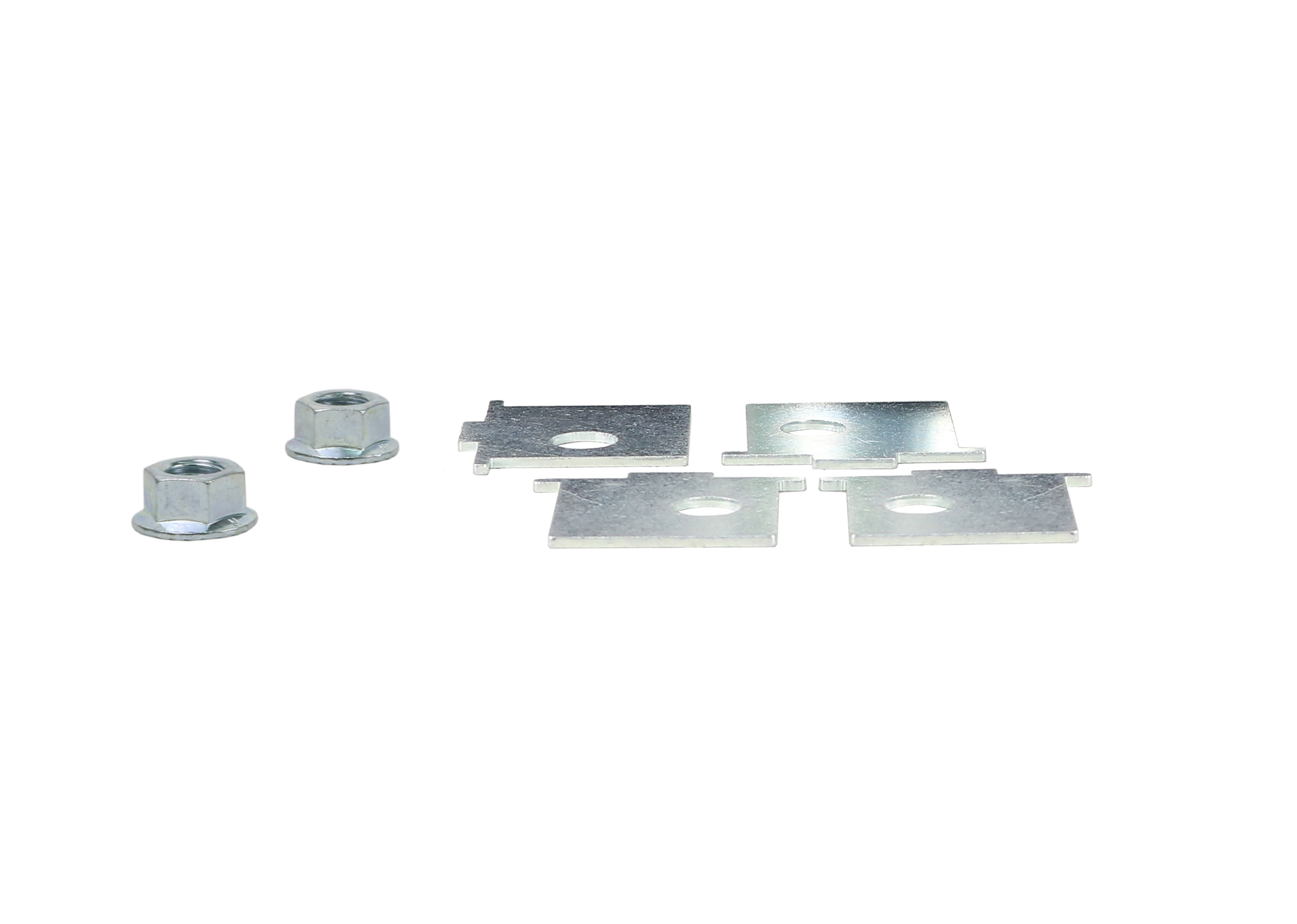
Where the arm is being replaced rather than rebushed, compare the new arm against the old one before fitting, including the bushing bore diameter and the axle end mounting arrangement, since correction arms differ dimensionally from stock by design.
Leave the pivot fasteners loose until the vehicle is back on the ground carrying its own weight. A bushing takes a set from the position it is clamped in, and on a radius arm that sits under constant fore and aft load, one clamped at the wrong height binds from the first mile.
Get an alignment afterward without exception, since anything done at this position changes caster immediately.
Find Radius Arms for Your Vehicle
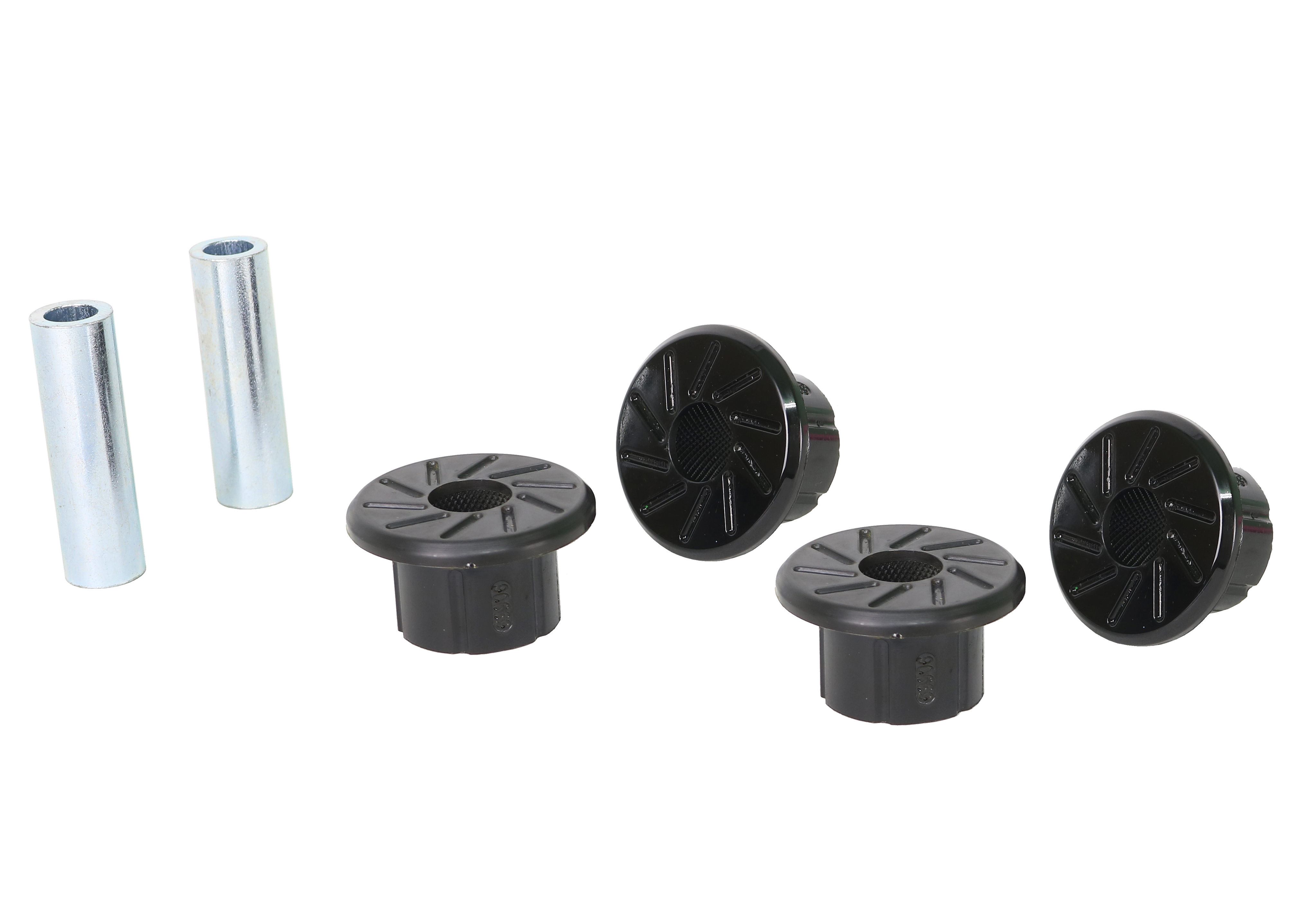
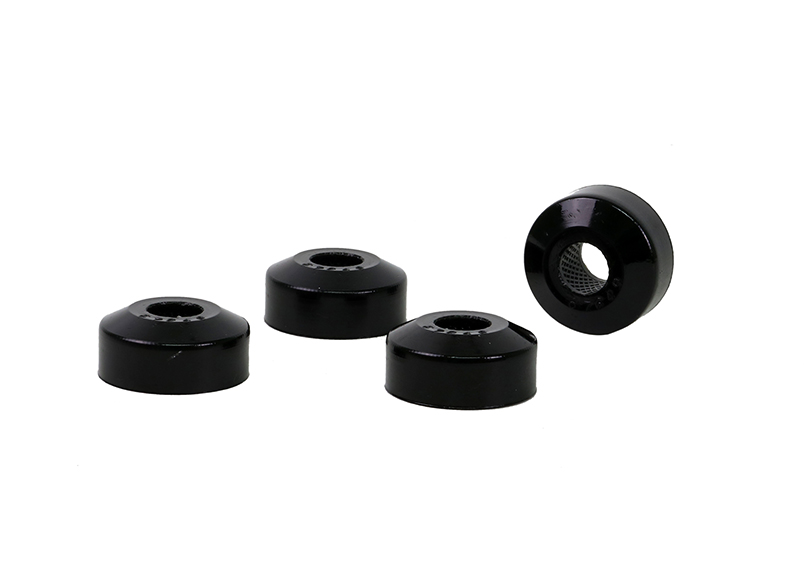
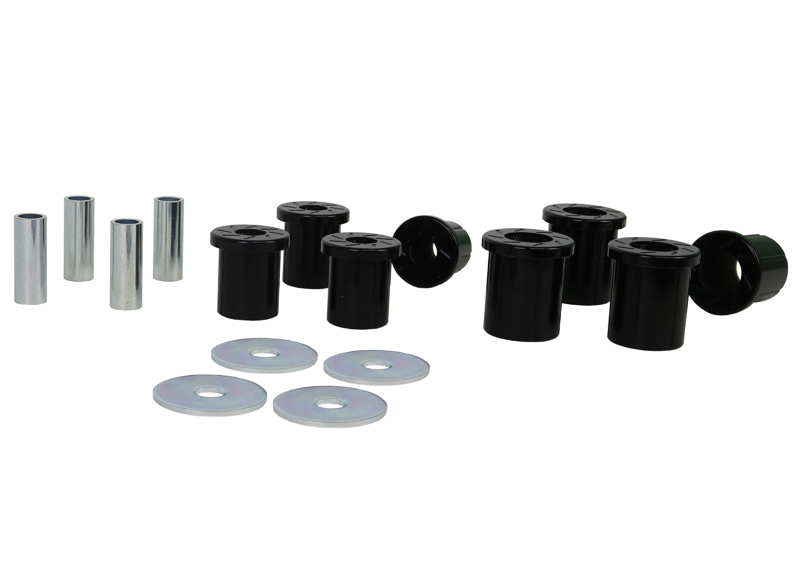
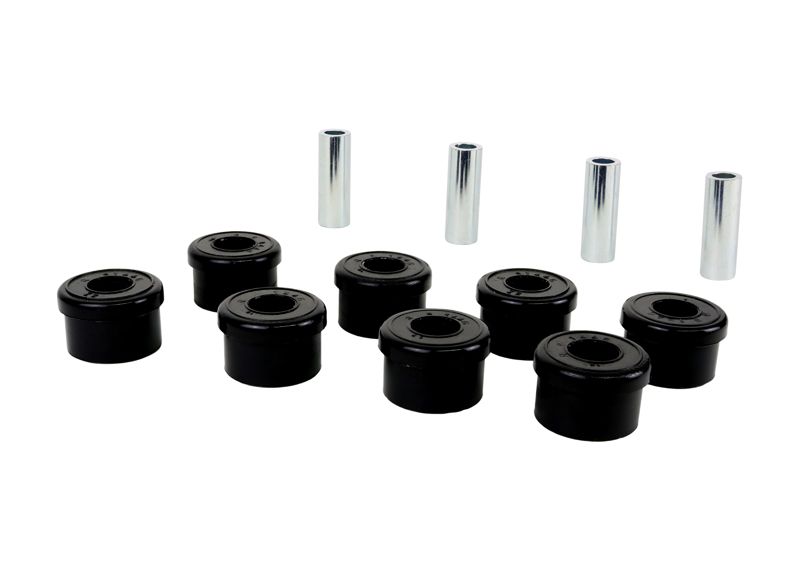
This radius arm is listed in our control arms selection, and radius arm bushings are the fix when the arm itself is still sound.
Select your vehicle to see the radius arms, radius arm bushings and correction options listed for it, along with the hardware that goes with them. Every Nolathane component is backed by our warranty, a fitment guarantee and 60 day returns.
1 item
 In StockShips within 24hrs.Ships within 24hrs.SKU: REV025.0002
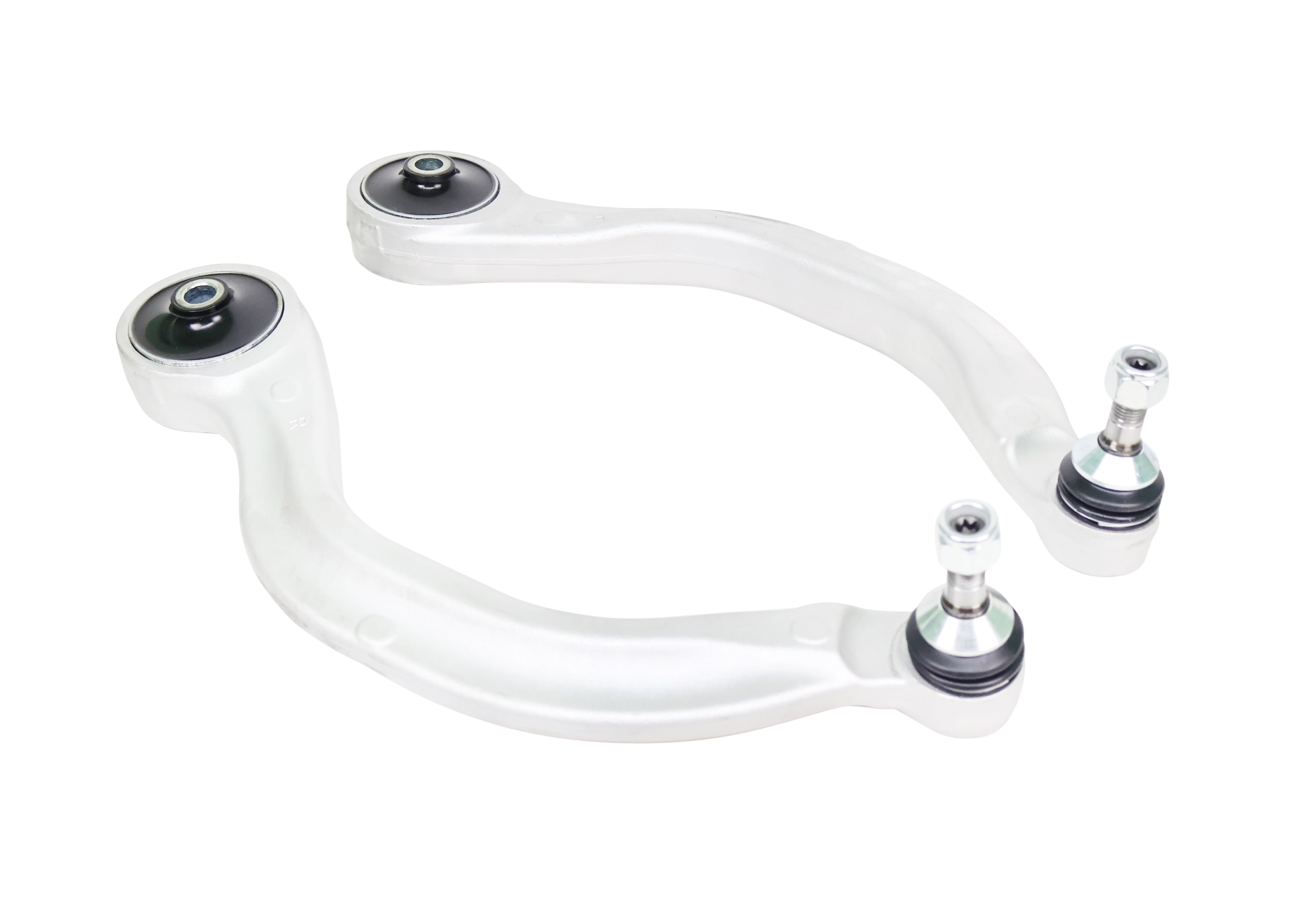
OEM+ Front Radius Arm Set
In StockShips within 24hrs.Ships within 24hrs.Qty Required 1$279.87
Your vehicle
Matching vehicles
No match — try selecting it below.
Refine your search
Clear all- Alignment Parts 2
- Camber Bolts 2
- Bushings 1877
- Alignment Pins and Bushings 7
- Axle Bushings 26
- Body Mount Bushings 89
- C-Bushings 6
- Coil Spring Insulators 14
- Coil Spring Spacers 29
- Control Arm Bushings 755
- Differential Bushings 47
- Fifth Wheel Bushing 1
- Lateral Arm Bushings 2
- Leaf Spring Bushings 41
- Leaf Spring Pads 5
- Leaf Spring Shackle Bushing 100
- Radiator Bushings 3
- Radius Arm Bushings 38
- Shock Bushings 33
- Steering Bushings 67
- Strut Mount Bushing 2
- Strut Rod Bushing 29
- Subframe Bushing 28
- Sway Bar Bushings 406
- Sway Bar Link Bushings 36
- Torsion Bar Bushing 2
- Track Bar Bushings 31
- Trailing Arm Bushing 71
- Transfer Case Bushings 4
- Trunnion Bushing 1
- Watts Link Bushing Kit 2
- Car Accessories 3
- Hood Bumper Stops 2
- Hood Latch Roller 1
- Control Arms 69
- Ball Joint 9
- Control Arm Kit 59
- Control Arm Assembly with Ball Joint 1
- Control Arm Kit - Lower 33
- Control Arm Kit - Upper 9
- Trailing Arm Kits 3
- Radius Arm 1
- Engine Bushings 54
- Engine Mount Bushings 54
- Exhaust Bushing 8
- Exhaust Mount Bushings 8
- Leveling Kits 6
- Nuts, Bolts & Screws 2
- Camber Bolt Kit 1
- Sway Bar & Sway Bar Kits 203
- Sway Bar Bracket 1
- Sway Bar Link 41
- Track Bar 2
- Transmission Parts 27
- Shifter Bushing 8
- Transmission Mount 19
- Universal Auto Parts 55
- Body Hardware 2
- Dust Covers 5
- Grease 1
- Rod End 7
- Spare Tire Carrier Mount 1
- Universal Bump Stops 38
- Winch Isolator 1
- Workshop Tools 3
- Bushing Press Kit 1
- Floor Jack Handle Clip 1
- Jack Holder Spring 1
No categories match.
Can’t find what you’re looking for?
Our team can help you find the right part — or tell us what was missing so we can improve the site.
Call Us +1 909-476-2860 Give Feedback (opens in a new tab)